Autonomous Upgrades and VSC Risk: An Actuarial Perspective
How do autonomous software upgrades affect component wear and VSC pricing? We break down the actuarial reality of sensor stress and software-defined reliability.
The Shift in Automotive Risk
As vehicle manufacturers increasingly transition toward over-the-air (OTA) software updates, the traditional definition of vehicle reliability is undergoing a fundamental transformation. For consumers and actuarial analysts alike, the introduction of advanced driver-assistance systems (ADAS) and autonomous driving capabilities—frequently upgraded via software—presents a complex challenge for Vehicle Service Contract (VSC) pricing. When a vehicle’s hardware remains static but its operational logic evolves through software, the component risk profile shifts significantly.
Historically, VSC pricing models relied on mechanical wear-and-tear projections based on mileage, engine configuration, and model-year reliability data. Today, we must account for the stress placed on electronic control units (ECUs), sensor arrays, and high-bandwidth communication buses as vehicles transition from Level 2 to Level 3 autonomous capabilities. Understanding how these upgrades impact your pricing-bands is essential for any consumer evaluating the long-term cost-benefit of a service contract.
Understanding the Risk Profile of Autonomous Systems
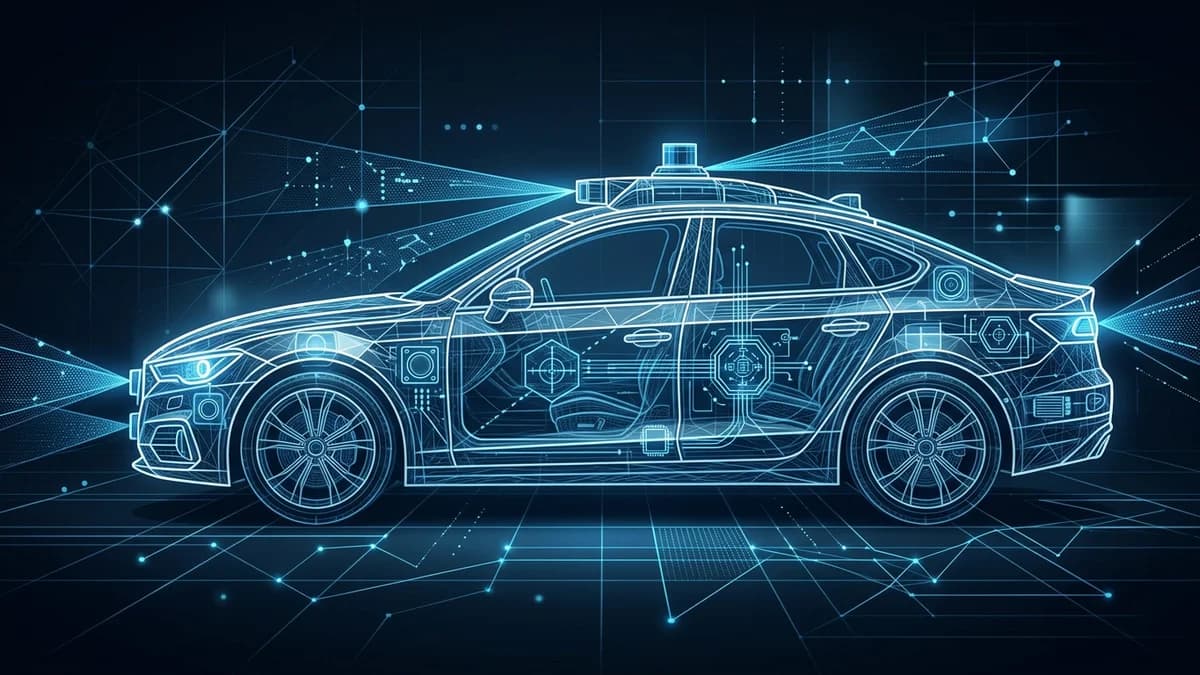
Autonomous driving features are not merely software; they are hardware-intensive integrations. A system that is upgraded from basic lane-keeping to full highway pilot functionality requires more frequent polling from LIDAR, radar, and ultrasonic sensors. This increased activity level alters the expected lifecycle of these components.
The Hardware-Software Nexus
While software itself does not "wear out" in the mechanical sense, it dictates the duty cycle of the components it manages. An autonomous upgrade that increases the frequency of corrective steering inputs or braking events directly accelerates the wear on actuators and electronic modules. From an actuarial standpoint, these are not just software bugs; they are physical stressors that shorten the Mean Time Between Failures (MTBF) for critical safety components.
- Sensor Degradation: Constant operation of vision-based sensors leads to higher heat generation and potential thermal degradation of internal circuitry.
- Actuator Duty Cycles: Autonomous features often perform micro-adjustments that a human driver would not, increasing the wear on motorized steering and braking systems.
- Data Processing Loads: Higher levels of autonomy require increased processing power, which can lead to premature failure of onboard computers due to persistent high-temperature operation.
VSC Coverage and the 'Software-as-a-Component' Challenge
One of the most significant complexities in modern VSCs is the distinction between a mechanical failure and a software-induced fault. Most standard contracts are designed to cover the failure of a part due to a defect in materials or workmanship. However, when an autonomous upgrade causes a component to fail prematurely, the lines of liability become blurred.
The Impact on Claim Adjudication
If your vehicle receives an OTA update that increases the operational intensity of a component, and that component subsequently fails, the adjudication process becomes more rigorous. Providers are increasingly scrutinizing whether the failure was inherent to the part or the result of a software-driven duty cycle that exceeded the original design parameters of the component. For a deeper look at how these claims are handled, refer to our explainer on VSC functionality.
Actuarial Implications for Pricing
At OptimalCover, our methodology for calculating reference ranges must now account for the "software-defined risk." As vehicles become more autonomous, we observe a divergence in pricing tiers for otherwise identical vehicle models based on their feature sets.
Why Your Quote May Vary
If you are browsing for coverage, you may notice that vehicles with high-level autonomous hardware often command higher premiums. This is not arbitrary. It is a direct reflection of:
- Diagnostic Complexity: Advanced systems require specialized diagnostic equipment and technician training, increasing the labor rate associated with repairs.
- Part Scarcity: Sensor arrays and proprietary processors are often backordered, leading to extended rental car reimbursements and higher administrative costs for the VSC provider.
- Liability Exposure: The inherent complexity of autonomous systems increases the probability of "no-fault found" diagnostics, where significant labor hours are spent troubleshooting software-hardware conflicts without a clear physical repair.
Consumer Strategy: Navigating the New Landscape
For consumers looking to protect their investment, the rise of autonomous features necessitates a more proactive approach to reading contract language.
- Check for Exclusions: Carefully review faq sections regarding "software-related failures." Ensure your contract covers the electronic control modules that govern autonomous systems.
- Prioritize Comprehensive Plans: Given the high cost of sensor replacement and calibration, exclusionary (or "bumper-to-bumper") coverage is often more statistically sound than stated-component plans when dealing with high-tech vehicles.
- Verify OEM Support: Ensure your VSC provider recognizes manufacturer-authorized software updates as standard operating conditions, rather than "unauthorized modifications" that could void coverage.
Conclusion: The Future of Reliability
The evolution of autonomous driving is fundamentally changing the nature of automotive maintenance. As we move away from purely mechanical failure modes toward integrated cyber-physical risks, the pricing of VSCs must continue to evolve. By focusing on data-driven assessments and maintaining a clear understanding of your vehicle's specific risk profile, you can make informed decisions that protect your financial interests against the rising complexity of modern automotive technology.