BEV Battery Coverage: Navigating VSC Contract Language
Does your extended warranty actually cover your BEV's battery? We break down the critical contract language and the difference between component failure and capacity loss.
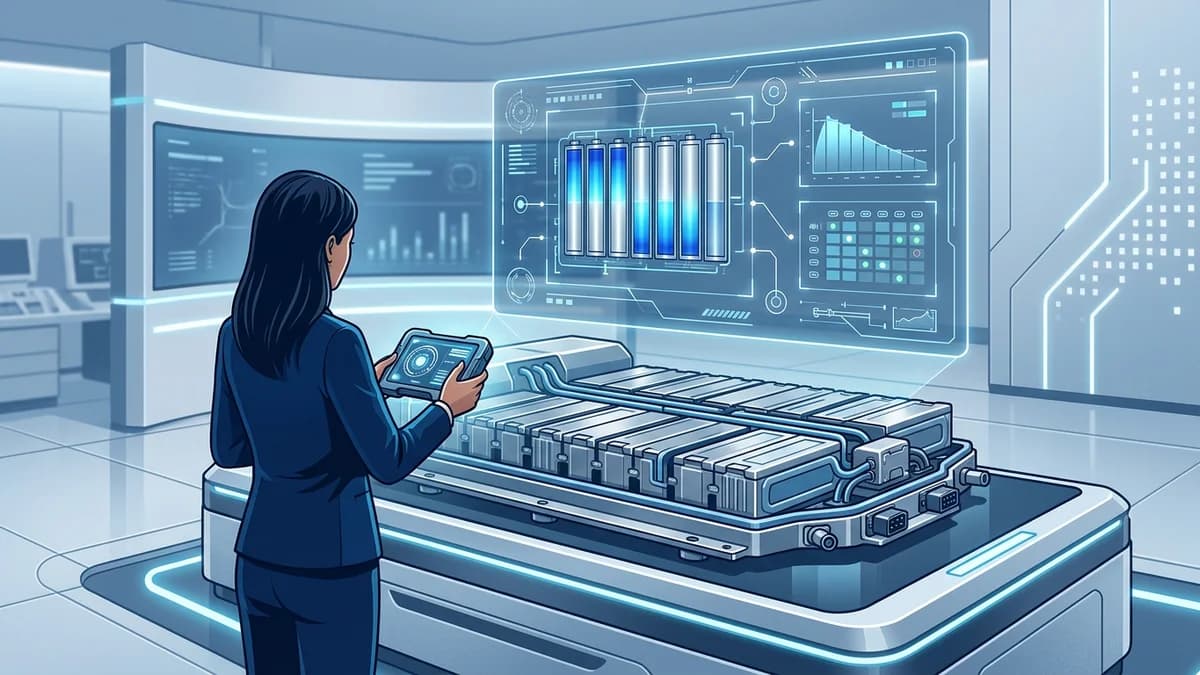
The High-Voltage Question: Are BEV Batteries Protected?
As the automotive landscape shifts toward electrification, the primary financial concern for owners of Battery-Electric Vehicles (BEVs) is the long-term health of the high-voltage battery pack. Unlike internal combustion engines, where failures are often mechanical and incremental, a BEV battery failure represents a singular, catastrophic expense. When evaluating a Vehicle Service Contract (VSC), consumers often assume that "comprehensive" coverage includes the battery. However, in the actuarial world of VSCs, assumptions are dangerous.
At OptimalCover, we emphasize that coverage is defined not by what you hope is included, but by the specific language written in your policy’s definitions and exclusions sections. Understanding how VSCs treat high-voltage batteries requires a granular look at contract terminology.
The Distinction Between Degradation and Failure
To understand why many VSCs do not cover battery replacement, one must distinguish between two different states of battery health:
- Capacity Degradation: This is the natural, chemical aging process where a battery loses its ability to hold a full charge over time. This is almost universally excluded from all VSCs. It is considered a "normal wear-and-tear" event rather than a component failure.
- Component Failure: This refers to a specific fault within the battery management system (BMS), a short circuit in a cell module, or a failure of the cooling system that renders the battery pack inoperable.
Most high-quality, exclusionary VSCs will cover the latter, but the devil is in the fine print. If a contract lists "batteries" under the "Exclusions" section without specifying "high-voltage" or "propulsion," you must seek a written clarification from the administrator. Ambiguity in contract language often leads to claim denials.
Reading the Fine Print: Identifying Exclusionary Language
When reviewing a contract, look for specific clauses that address the high-voltage system. Many legacy VSC templates were written for internal combustion engines and contain blanket exclusions for "batteries."
Key Terms to Look For:
- Propulsion Battery: If the contract specifically lists the "Propulsion Battery" as a covered component, you have a much stronger position for a claim.
- Hybrid/EV Surcharge: Many providers charge an additional premium for BEVs to account for the increased risk associated with the battery pack. If you paid this surcharge, check the contract to see if the coverage scope expanded to include the battery assembly.
- "Wear and Tear" Definitions: Ensure that the definition of "wear and tear" does not inadvertently bundle battery capacity loss with mechanical failure.
For more on how to interpret these terms, consult our FAQ section on contract definitions.
The Role of Manufacturer Warranties
It is critical to remember that federal regulations often mandate that manufacturers provide an 8-year/100,000-mile warranty on the high-voltage battery. Because this manufacturer coverage is so extensive, many VSC providers treat the battery as a "low-risk" item during the early years of the vehicle's life.
However, once the manufacturer's warranty expires, the VSC becomes the sole protection against a replacement cost that can range from $10,000 to $25,000. Before purchasing a VSC, cross-reference your vehicle’s manufacturer warranty expiration date with the start and end dates of the VSC.
Why Actuarial Data Matters for BEVs
At OptimalCover, we analyze pricing based on component risk. The risk profile for a BEV is fundamentally different from that of an ICE vehicle. While BEVs have fewer moving parts, the cost of repairing those parts is significantly higher.
If you are shopping for a VSC, do not settle for a "one-size-fits-all" policy. Use our pricing bands to see how coverage for high-voltage systems impacts the overall actuarial cost of the contract. If a plan is significantly cheaper than others for a BEV, it is highly likely that the high-voltage battery is explicitly excluded.
Steps to Verify Your Coverage
- Request a Specimen Contract: Never purchase a VSC without reviewing the full contract document. The "sample" contract on a website is often not the final version.
- Search the Exclusions: Use the "Find" (Ctrl+F or Cmd+F) function in your PDF viewer to search for keywords like "Battery," "High Voltage," "Lithium," and "Propulsion."
- Confirm with the Administrator: If you are unsure, contact the contract administrator directly and ask: "Is the high-voltage propulsion battery pack a covered component under this exclusionary policy?" Get the answer in writing.
- Check Vehicle Eligibility: Some older VSC programs are not updated to handle the specific repair procedures required for modern BEVs. Ensure your specific make and model is listed as eligible for coverage.
Conclusion
BEV battery replacement is a significant financial event. While most comprehensive, exclusionary VSCs will cover the hardware components of a battery pack, they will not cover the inevitable decline in range and capacity. By focusing on the difference between component failure and capacity degradation, and by carefully reviewing the exclusion list of your contract, you can make an informed decision about whether a VSC provides the financial security you require for your electric vehicle.
For more information on how different brands handle these coverage gaps, browse our brand-specific insights.