Data Privacy Risks: What Warranty Providers Do With Diagnostic Logs
Discover how vehicle diagnostic logs are collected by VSC providers and what you can do to protect your personal data and privacy.
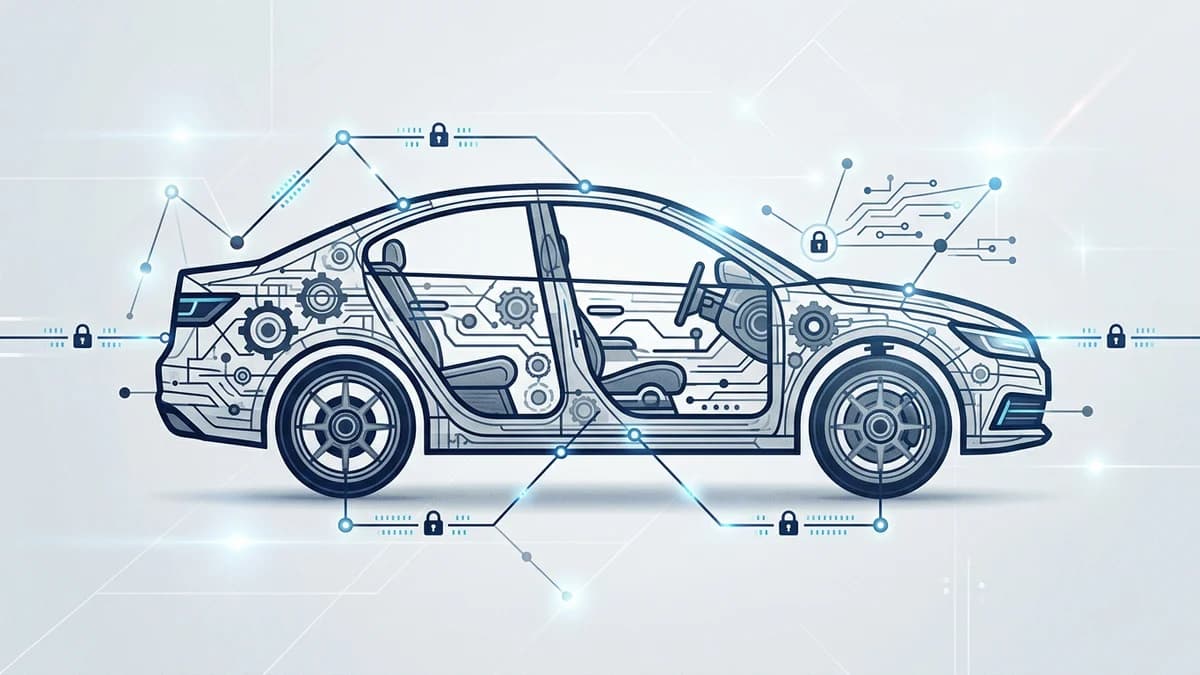
The Invisible Data Exchange
In the modern automotive landscape, your vehicle acts as a rolling data center. Every time you engage the ignition, sensors throughout the chassis, powertrain, and infotainment system record millions of data points. When you purchase a Vehicle Service Contract (VSC), you are entering into a financial agreement that relies on this data for claim adjudication. However, many consumers remain unaware of the extent to which their vehicle’s diagnostic logs—the digital footprint of your driving habits and mechanical health—are collected, transmitted, and utilized by warranty administrators.
At OptimalCover, we advocate for total transparency in the financial and technical aspects of VSCs. Understanding how your data is handled is not just a privacy concern; it is a fundamental component of managing your consumer rights.
What Information Is Captured?
Modern vehicles utilize Telematics Control Units (TCUs) to transmit data to manufacturers, and by extension, to third-party administrators when a claim is initiated. The diagnostic logs often include:
- Odometer readings: Used to verify contract mileage limits.
- Diagnostic Trouble Codes (DTCs): Records of specific mechanical errors or sensor malfunctions.
- Operating parameters: Data points such as engine temperature, RPM ranges, and braking patterns.
- GPS and location data: While less common for standard warranty claims, this data is often bundled in broader connectivity packages.
- Software versioning: Critical for determining if a component failure is related to a manufacturer recall or a user-modified system.
For a deeper dive into how your vehicle's technical state affects coverage, visit our explainer on how VSCs function.
The Role of the Administrator in Data Usage
When a repair shop submits a claim, the administrator requires evidence that the failure is covered under the terms of your pricing-bands and contract. To prevent fraud, administrators increasingly rely on "digital service logs." This practice, while efficient, creates a data trail that links your personal identity to your vehicle’s performance data.
Data Aggregation and Risk Profiling
Providers often aggregate this data to refine their actuarial models. By analyzing thousands of diagnostic logs, they can identify patterns of failure for specific vehicle makes and models. While this helps keep the industry data-driven, it also means your specific vehicle usage—how aggressively you drive or how strictly you follow maintenance protocols—is being used to build a profile. This profile can influence future coverage decisions or even the denial of claims if the diagnostic data suggests 'abuse' or 'negligent maintenance.'
Privacy Risks: Where Does the Data Go?
The primary risk to the consumer is not necessarily a breach, but rather the secondary use of data. Once your diagnostic logs are transferred to an administrator, they may be shared with:
- Reinsurance Carriers: These entities underwrite the risk of your policy and require granular data to validate the financial exposure of the contract.
- Third-Party Analytics Firms: Many administrators outsource data processing to firms that specialize in predictive maintenance and fraud detection.
- Marketing Platforms: In some cases, diagnostic data is used to trigger targeted advertisements for "recommended" services or upgrades, often blurring the line between a genuine maintenance alert and a sales lead.
How to Protect Your Digital Footprint
Privacy in the VSC space is an evolving legal frontier. While you cannot fully opt out of data collection if you wish to use a vehicle's connected features, you can take steps to limit your exposure:
- Review the Privacy Policy: Before signing a contract, look specifically for clauses regarding "Third-Party Data Sharing." If a provider is vague, ask for a written disclosure of who receives your diagnostic logs.
- Audit Connectivity Settings: Most modern vehicles have a privacy menu in the infotainment system. You can often disable "data sharing" or "telematics reporting." Note that this may impact features like remote start or emergency SOS services.
- Request a Data Report: Under certain consumer protection laws, you have the right to request what data an administrator has collected on you. If your claim is denied based on diagnostic data, you have the right to see the specific logs used to make that decision.
For guidance on what constitutes a fair and transparent contract, see our resources on methodology.
The Future of Warranty Privacy
As vehicles become more software-defined, the distinction between a mechanical warranty and a data privacy agreement will continue to blur. Legislation such as the Right-to-Repair movement is currently debating who "owns" the data generated by the vehicle: the manufacturer, the owner, or the service provider.
Consumers should remain vigilant. Your vehicle diagnostic logs are valuable assets. When you purchase a VSC, ensure you are comfortable with how the administrator plans to handle your data. If you are browsing for coverage, ensure you are looking at reputable providers who prioritize data security. Start your research by browsing our verified list of industry standards.
Ultimately, your VSC should provide peace of mind, not a compromise on your personal privacy. Always prioritize contracts that offer clear language regarding data usage and ensure that any claim denial is backed by transparent, verifiable diagnostic evidence rather than ambiguous black-box algorithms.