Dealer vs. Third-Party VSC Pricing: A Comparative Analysis
Should you buy an extended warranty from the dealer or an independent provider? We analyze the pricing structures, markups, and value differences.
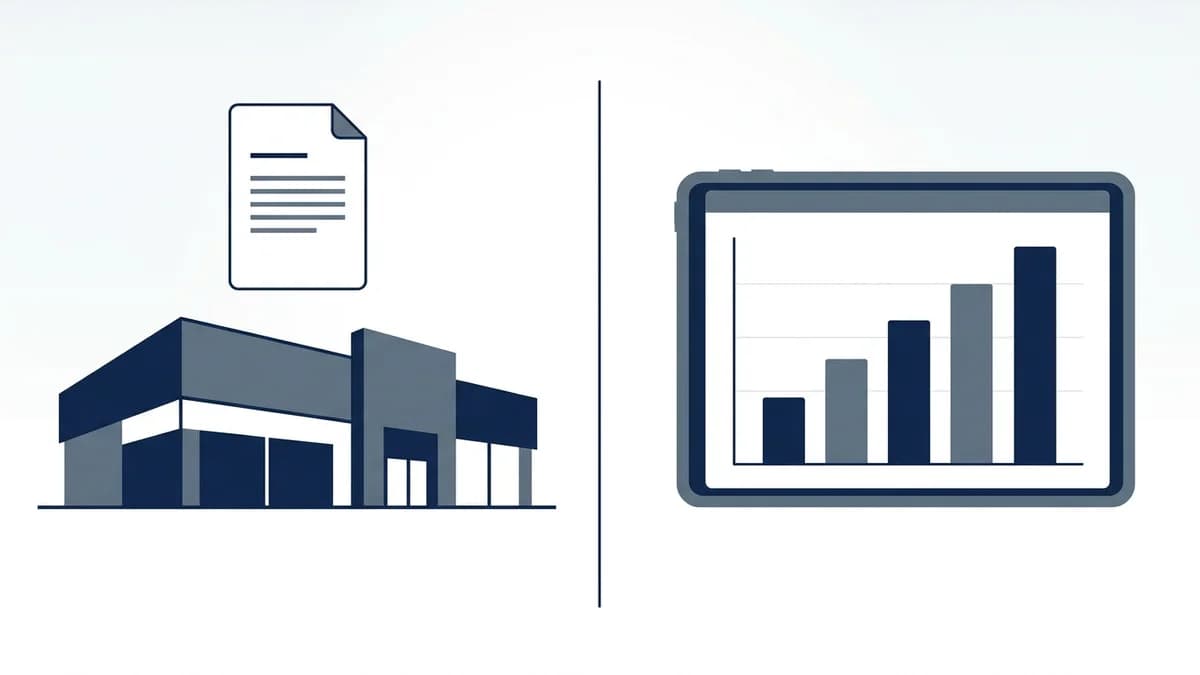
Understanding the Market Landscape for Vehicle Service Contracts
When evaluating the cost of a Vehicle Service Contract (VSC), consumers are often confronted with two distinct paths: purchasing coverage directly from a franchised dealership or sourcing a policy from an independent third-party provider. At OptimalCover, our methodology focuses on actuarial pricing benchmarks rather than marketing narratives. To make an informed decision, it is essential to understand why these two channels often produce vastly different price points for identical vehicles.
The Dealership Model: Convenience at a Premium
Dealerships operate within a retail model that prioritizes convenience and integration. When you purchase a VSC during the vehicle transaction process, the cost is often bundled into your monthly auto loan payment. While this method is seamless, it introduces several factors that can inflate the final price:
- Retail Markups: Dealers typically act as intermediaries, selling contracts issued by third-party administrators. They often add a significant markup to the base cost of the contract, which serves as profit for the finance department.
- Lack of Price Transparency: Because pricing is often negotiated in a high-pressure environment, consumers rarely know the "floor" price of the policy. This leads to wide variance in what different customers pay for the exact same coverage level.
- Limited Selection: Dealers usually have exclusive agreements with one or two specific providers, limiting your ability to compare coverage terms or pricing tiers against the broader market.
For more information on how these tiers function, refer to our guide on pricing bands.
The Third-Party Provider Model: Direct-to-Consumer Efficiency
Independent third-party providers operate differently. By removing the dealership intermediary, these companies can offer policies directly to vehicle owners. This model generally yields lower upfront costs because the overhead associated with the dealership finance office is eliminated.
Key Advantages of Independent Providers:
- Competitive Pricing: Without the need to pad the contract with dealer commission, the base price is often closer to the actuarial value of the risk.
- Broader Options: Consumers can compare multiple providers side-by-side, allowing them to select plans based on specific coverage needs rather than what is available on the dealership's shelf.
- Flexibility: Many independent providers allow you to purchase coverage long after the initial vehicle purchase date, whereas dealers often limit this window.
Why Pricing Varies for the Same Vehicle
It is a common misconception that a vehicle has a "fixed" warranty price. In reality, pricing is a function of expected claims frequency and severity. Regardless of whether you buy from a dealer or an independent provider, both entities must account for:
- Vehicle Reliability Data: The historical repair costs for your specific make and model.
- Mileage and Age: How much risk the vehicle poses based on its current odometer reading and manufacturing year.
- Administrator Backing: The financial stability of the insurance company or obligor backing the contract.
Before you commit, we recommend visiting our browse section to see how your specific vehicle brand aligns with current market averages.
How to Conduct an "Apples-to-Apples" Comparison
If you are currently weighing a dealer offer against a quote from an independent provider, do not compare the monthly payment alone. Instead, focus on the following variables:
- Coverage Scope: Is it an Exclusionary (Bumper-to-Bumper) policy or a Stated Component plan?
- Deductible Structure: How does the deductible affect the total premium? Our article on how deductible choices affect price provides a deep dive into this mechanism.
- The Administrator's Reputation: Who is actually paying the claims? Ensure the provider is backed by an A-rated insurance company.
- Transferability and Cancellation: What happens if you sell the car or decide to terminate the contract early?
The OptimalCover Perspective
At OptimalCover, we advocate for a data-driven approach to consumer protection. Whether you choose to purchase through a dealer or an independent provider, your primary goal should be to pay a price that reflects the underlying risk of your vehicle. If a quote is significantly higher than our actuarially validated pricing bands, it is a signal to pause and re-evaluate the value proposition.
For those still navigating the basics of how these contracts function, our explainer page breaks down the core components of every VSC. If you have specific questions about common industry practices, our FAQ covers the most frequent inquiries from our readers.
Ultimately, the "better" option depends on your preference for convenience versus cost efficiency. By understanding the markup structure of the dealership environment and the direct-to-consumer advantages of independent providers, you can ensure that you are not paying a premium for the sales process itself.