DIY Maintenance vs. Dealer Service: Protecting Your Warranty
Does DIY maintenance void your warranty? Learn the legal realities of the Magnuson-Moss Act and how to properly document service to protect your coverage.
Understanding the Relationship Between Maintenance and Coverage
For many vehicle owners, the intersection of routine maintenance and warranty eligibility is a source of persistent confusion. Whether you hold a factory powertrain warranty or a third-party Vehicle Service Contract (VSC), the requirement to perform regular upkeep is absolute. However, a common misconception exists that only dealership-performed service satisfies these contractual obligations. At OptimalCover, we advocate for a data-driven approach to understanding your rights and responsibilities as a vehicle owner.
The Magnuson-Moss Warranty Act: Your Legal Shield
It is a frequent myth that using an independent mechanic or performing your own oil changes will automatically void your warranty. Under the federal Magnuson-Moss Warranty Act, a manufacturer or VSC provider cannot deny a claim simply because someone other than a dealer performed the work.
However, the burden of proof rests on the consumer. If a mechanical failure occurs, the provider may ask for documentation to verify that the vehicle was maintained according to the manufacturer’s specifications found in your owner's manual. If you cannot produce records showing that fluids were changed, filters were replaced, and inspections were performed at the required intervals, the claim may be denied.
The DIY Maintenance Reality Check
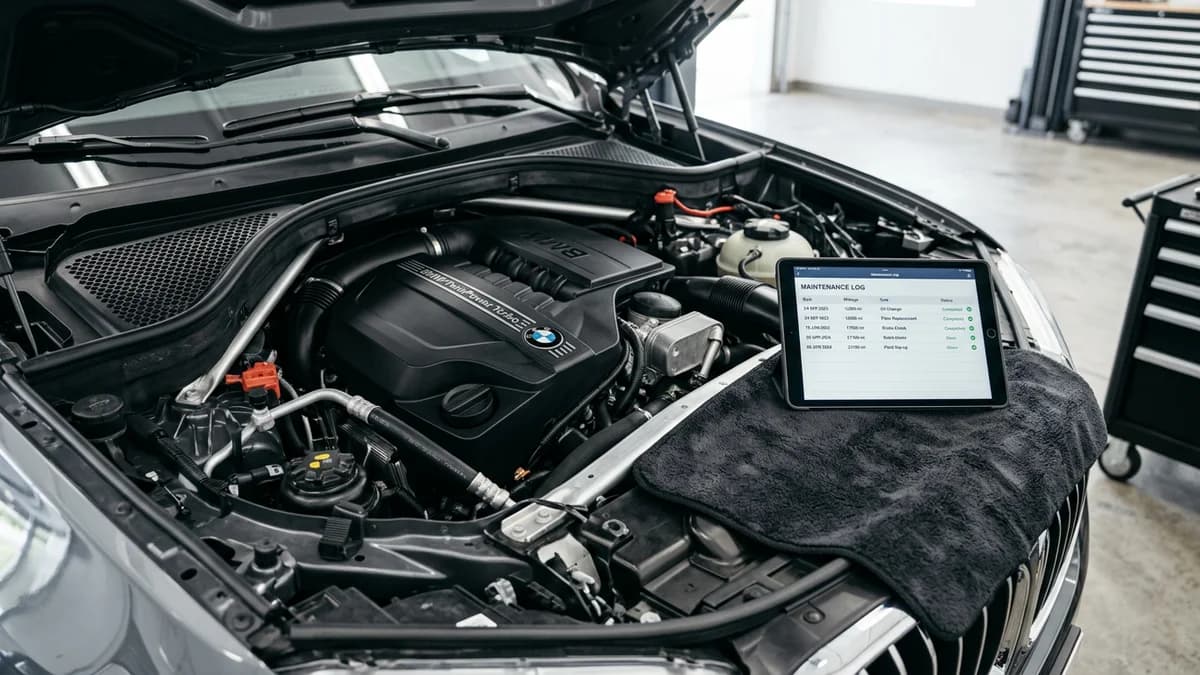
Performing your own maintenance can be a cost-effective way to manage vehicle ownership, but it requires meticulous record-keeping. To ensure your VSC coverage remains intact, you must adhere to the following protocols:
- Maintain a Detailed Log: Keep a digital or physical binder that records the date, mileage, parts purchased, and a description of the service performed.
- Retain Receipts: Keep all receipts for oil, filters, and other consumables. Ensure these receipts are dated and clearly indicate the parts purchased.
- Adhere to OEM Specifications: Use only the fluid types, viscosity grades, and parts that meet or exceed the manufacturer's original equipment specifications. Using substandard parts can lead to a denial of coverage if those parts are determined to be the cause of a failure.
- Photographic Evidence: For significant maintenance milestones, consider taking photos of the completed work, such as the odometer reading alongside the old filter or drained fluid.
Dealer Service: The Convenience Factor
While not legally required to keep your warranty valid, dealer service offers a distinct administrative advantage: automated record-keeping. When you service your vehicle at a franchised dealership, the repair history is typically uploaded to a centralized manufacturer database (such as Carfax or the OEM's internal system).
For owners of high-complexity vehicles, this is often the path of least resistance. Modern vehicles rely on intricate electronic control units (ECUs) that may require dealer-specific diagnostic software for resets or updates. If you are uncertain about your vehicle's specific requirements, our FAQ section provides additional context on how to interpret complex service manuals.
Documenting Your Compliance
Regardless of who turns the wrench, documentation is the currency of warranty claims. When an adjuster reviews a claim for a major engine or transmission failure, they are looking for evidence of neglect.
If you choose an independent shop, ensure they provide an itemized invoice that includes:
- Vehicle Identification Number (VIN)
- Current mileage at the time of service
- Specific parts used (including part numbers)
- A clear statement of the service performed
How Maintenance Impacts VSC Costs
It is important to note that the reliability of your maintenance history can influence the long-term value of your vehicle. Vehicles with verifiable service histories are often viewed as lower risk by underwriters. When you lookup pricing bands for a VSC, keep in mind that consistent maintenance does not necessarily lower your premium, but it significantly reduces the likelihood of a claim denial due to 'pre-existing' neglect.
Strategic Considerations for Owners
Before deciding between DIY and professional service, consider the following:
- Complexity of the Task: Simple oil changes and cabin air filter replacements are easy to document. Complex tasks like timing belt replacements or transmission flushes require specialized equipment and expertise. If a DIY repair is performed incorrectly, the resulting damage is rarely covered by any warranty.
- The 'Gray Area' of Diagnostics: If you perform your own diagnostic work using an OBD-II scanner, ensure you understand the limitations of the data. Misinterpreting a code can lead to unnecessary repairs or, worse, worsening the underlying issue.
- Warranty Provider Requirements: Always read your specific contract. Some exclusionary policies have specific language regarding the documentation required for claims. Understanding your contract is the first step in mastering your VSC.
Conclusion
Maintaining your warranty does not require a lifetime commitment to dealership service departments. It requires consistency, diligence, and a commitment to rigorous record-keeping. Whether you enjoy the satisfaction of DIY maintenance or prefer the hands-off approach of dealer service, your primary goal should be to ensure that no gaps exist in your vehicle's service history.
For more information on how we calculate the value of service contracts and how market trends affect your coverage, visit our methodology page. By treating your maintenance records with the same care you treat your vehicle, you ensure that your VSC provides the financial protection you intended when you purchased it.