EV vs ICE: How Warranty Needs Differ by Powertrain
A data-driven look at how the shift from ICE to EV changes the risk profile, repair costs, and the necessity of extended service contracts.
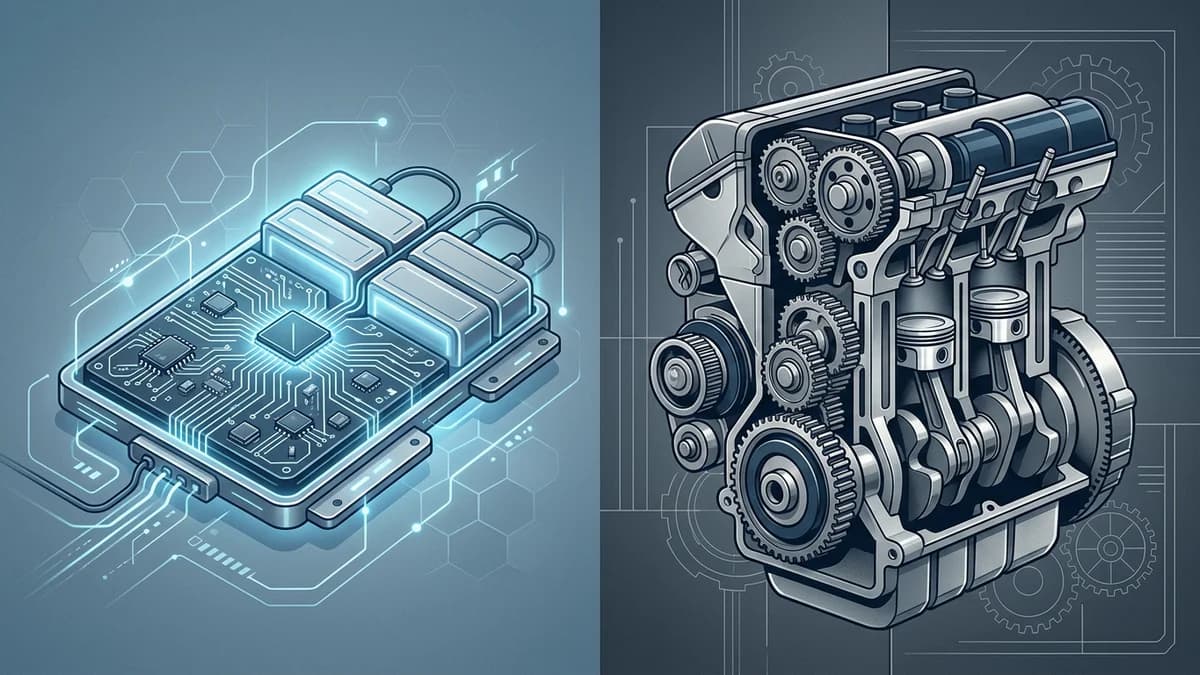
Understanding the Shift in Automotive Reliability
As the automotive landscape transitions from Internal Combustion Engines (ICE) to Electric Vehicles (EVs), the traditional framework for vehicle protection is undergoing a fundamental shift. At OptimalCover, we analyze thousands of data points to help consumers navigate the complexities of Vehicle Service Contracts (VSCs). Understanding how your vehicle's powertrain influences its long-term risk profile is the first step in determining whether a VSC is a financially sound decision for your specific situation.
Historically, VSC pricing models have been built around the mechanical complexity of thousands of moving parts in an ICE vehicle. EVs, by contrast, feature fewer moving parts but introduce high-voltage systems and complex software architectures that require a different approach to risk assessment. For a deeper dive into how we calculate these figures, visit our methodology page.
The Reliability Profile of ICE Vehicles
Internal Combustion Engines rely on a sophisticated dance of pistons, valves, timing belts, and transmission gears. These components are subject to extreme heat, friction, and chemical degradation from fuel and oil.
Common Failure Points in ICE Powertrains:
- Cooling Systems: Radiators, water pumps, and thermostats are frequent failure points that can lead to catastrophic engine damage.
- Transmission Systems: Automatic and dual-clutch transmissions involve complex hydraulic and electronic controls that are expensive to repair.
- Fuel and Exhaust Systems: Sensors, catalytic converters, and fuel pumps are common wear items that often fall outside standard manufacturer powertrain warranties as mileage increases.
For owners of ICE vehicles, the primary value of a VSC often lies in the protection of these high-cost mechanical components as the vehicle surpasses the 60,000 to 100,000-mile mark. You can view current market pricing bands to see how engine type impacts potential coverage costs.
The Changing Landscape: EV Warranty Requirements
Electric Vehicles simplify the drivetrain significantly. Without an engine, transmission, or traditional exhaust system, the frequency of mechanical failure is generally lower. However, the nature of the components that do exist creates a different risk profile.
The EV Risk Factor:
- High-Voltage Battery Degradation: While most manufacturers offer an 8-year/100,000-mile battery warranty, coverage beyond this period is a major concern for long-term owners.
- Power Electronics: Inverters and onboard chargers are essentially large, complex computers. When these fail, they are rarely repaired; they are replaced, often at a significant cost.
- Software and Connectivity: Modern EVs are defined by their software. As vehicles age, the reliance on proprietary electronic control units (ECUs) means that a software bug or sensor failure can render a vehicle inoperable, even if the motors themselves are in perfect condition.
It is a common misconception that EVs are "maintenance-free." While they require less routine service, the cost of specialized repairs for non-mechanical components can be substantial. If you are considering coverage, ensure you understand the difference between standard mechanical coverage and electronics coverage, which we detail in our explainer on VSCs.
Comparing the Financial Risk
When evaluating whether to purchase a VSC, consider the following variables regardless of your powertrain:
- Ownership Duration: If you plan to trade in your vehicle before the factory warranty expires, the utility of a VSC is limited. If you plan to drive the vehicle for 10+ years, the risk profile changes significantly.
- Technological Complexity: The more "bells and whistles" (advanced driver-assistance systems, high-end infotainment, adaptive suspension), the higher the potential for expensive, non-powertrain-related repairs.
- Repair Infrastructure: Some EV brands have limited service networks. Ensure your chosen VSC provider has a network that covers authorized repair facilities for your specific make. You can browse common brands to see how coverage availability varies.
How to Assess Your Personal Risk
Whether you drive a high-performance ICE sedan or a long-range EV, the decision to purchase a VSC should be data-driven rather than fear-based.
- Analyze the Factory Warranty: Always start by reviewing your existing manufacturer coverage. Many EV manufacturers provide longer-than-average warranties on their battery packs, which might make a comprehensive VSC unnecessary in the early years.
- Review the Exclusions: For EVs, specifically, look for "exclusionary" contracts that cover electronic components, as these are the most likely failure points once the warranty period ends. For a full breakdown of contract types, see our guide on Exclusionary vs. Stated Component Coverage.
- Calculate the Break-Even Point: Compare the cost of the VSC against the actuarial likelihood of a major failure. If the cost of the contract exceeds the expected repair costs, you may be better off self-insuring by setting aside a dedicated repair fund.
Final Considerations
At OptimalCover, we believe in transparency. The automotive industry is evolving, and the way we protect our investments must evolve with it. While ICE vehicles present a higher risk of mechanical wear-and-tear, EVs represent a shift toward high-cost electronic and battery-related risks.
Before committing to any contract, always check our FAQ for answers to common questions regarding coverage limitations and claim processes. By understanding the specific needs of your powertrain, you can make an informed decision that protects your wallet without paying for coverage you don't need.