Evaluating Component Failure Rates: Engine Configs and VSC Needs
Engine complexity is a primary driver of repair costs. Learn how your specific engine configuration dictates the actuarial risk and necessity of a VSC.
Understanding the Engineering-Risk Correlation
When consumers evaluate the necessity of a Vehicle Service Contract (VSC), the decision is often driven by emotional responses to potential risk. However, from an actuarial standpoint, the decision should be rooted in the specific engineering profile of the vehicle. Not all engines are created equal; the architectural complexity of your vehicle’s powertrain is the primary variable in predicting long-term maintenance costs and the actuarial value of a VSC. Understanding how your specific engine configuration correlates with component failure rates is essential for making an informed financial decision.
For a deep dive into how these variables impact your specific model, refer to our pricing-bands to see how different risk profiles are weighted in the current market.
The Complexity Premium: Why Configuration Matters
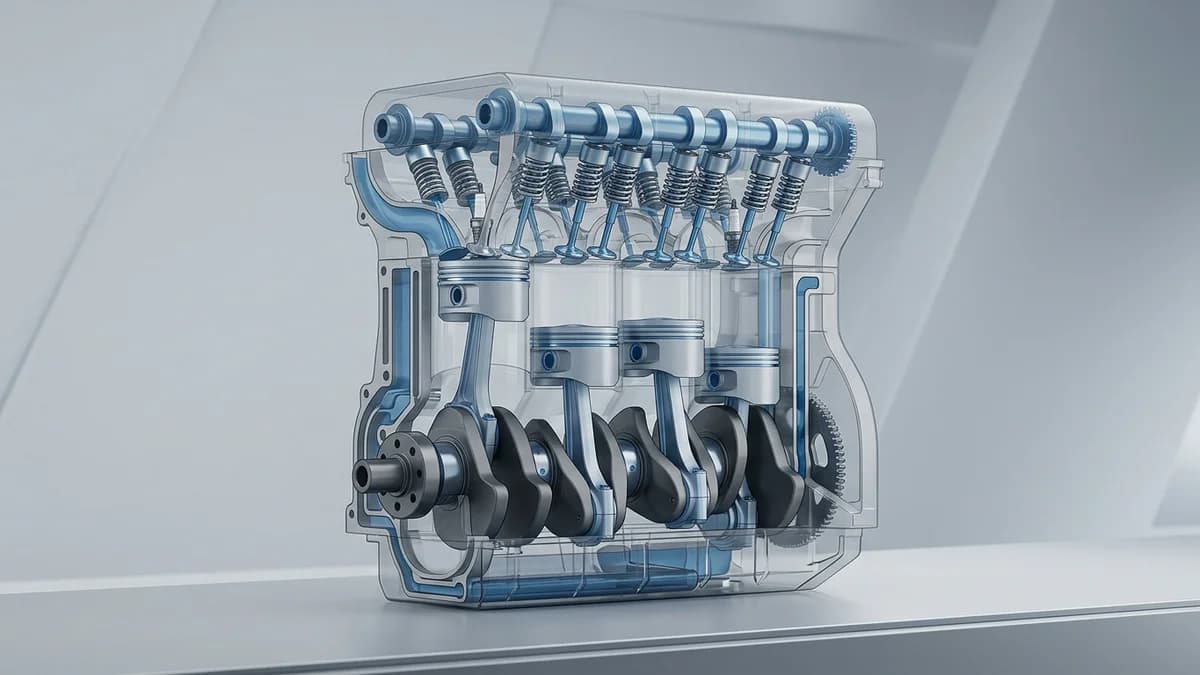
Engine complexity is a multiplier for potential failure. An engine with a simple, naturally aspirated design and port fuel injection operates with fewer failure points than a high-output, twin-turbocharged engine utilizing direct injection and complex variable valve timing. Each additional component—such as a turbocharger, an intercooler, or an active cooling system—represents an additional point of potential failure that must be covered by a VSC.
Forced Induction and Thermal Stress
Turbocharged and supercharged engines (forced induction) operate under significantly higher thermal and mechanical stress than their naturally aspirated counterparts. Actuarial data consistently shows that the seals, gaskets, and bearings within forced-induction systems have a higher failure rate as mileage increases. When you purchase a VSC for a turbocharged vehicle, the pricing reflects this elevated risk. Consumers should review their explainer resources to understand how 'exclusionary' vs. 'stated component' coverage handles these high-stress engine parts.
Direct Injection vs. Port Injection
Gasoline Direct Injection (GDI) technology has become the industry standard for efficiency, but it introduces unique failure modes. Carbon buildup on intake valves is a common issue that often falls into a grey area of 'wear and tear.' While a VSC is designed to cover mechanical breakdown, understanding whether your engine configuration is prone to these specific issues can help you determine if the coverage provided is truly comprehensive or limited by restrictive language regarding 'clean-up' or 'maintenance-related' failures.
Data-Driven Risk Assessment
At OptimalCover, we look at the methodology behind how risk is calculated for different engine configurations. When an actuary prices a VSC, they are not guessing; they are looking at thousands of data points regarding claims frequency for specific engine codes.
- High-Performance Configurations: Engines tuned for extreme output often utilize exotic materials or tighter tolerances. These engines have a higher 'infant mortality' rate for components and a shorter lifespan for critical seals.
- Hybridized Powertrains: While the internal combustion engine in a hybrid may experience less 'run-time,' the integration of electric motor-generators and power electronics adds a layer of complexity that requires specialized coverage.
- Displacement and Cylinder Count: Generally, higher cylinder counts increase the cost of repair due to the sheer number of moving parts, though larger displacement engines may be tuned more conservatively, potentially offsetting the risk.
Determining Your 'Break-Even' Point
Before committing to a VSC, it is helpful to cross-reference your engine's reputation with your personal driving habits. If you drive a vehicle known for specific timing chain or cooling system failures, a VSC acts as a financial hedge against a high-probability event. Conversely, if your vehicle configuration is known for its longevity and low failure rates, the cost of the VSC may exceed the expected value of the repairs.
We encourage you to browse our database by vehicle brand to see how your specific engine configuration stacks up against industry averages for reliability and repair costs.
The Consumer Perspective: Beyond the Warranty
It is important to remember that a VSC is not a substitute for maintenance. Regardless of your engine configuration, failure to adhere to the manufacturer’s recommended service intervals—such as oil changes, coolant flushes, and filter replacements—will often void your coverage. Many claims are denied not because the component failed, but because the owner could not provide proof of consistent maintenance.
For answers to common questions regarding how maintenance interacts with your coverage, visit our faq page.
Final Considerations for the Informed Buyer
When evaluating the necessity of a VSC for your specific engine configuration, ask yourself the following:
- Is the engine design known for high-cost, low-frequency failures? (e.g., turbo failure, timing chain stretch).
- Does the repair cost of a single major component exceed the premium of the VSC?
- Do I have the financial liquidity to absorb a $2,000 to $5,000 repair bill if the engine fails tomorrow?
By aligning your VSC purchase with the statistical reality of your vehicle's engine configuration, you move away from reactive purchasing and toward a strategic, data-driven approach to vehicle ownership. Remember, the goal of a VSC is to provide financial predictability, not to guarantee a trouble-free vehicle. Choose coverage that matches the technical complexity of the machine you are driving.