ADAS Sensors and the New Era of Wear-and-Tear Exclusions
As vehicles become sensor-heavy, the definition of wear-and-tear is shifting, impacting how VSCs cover modern ADAS repairs and calibration costs.
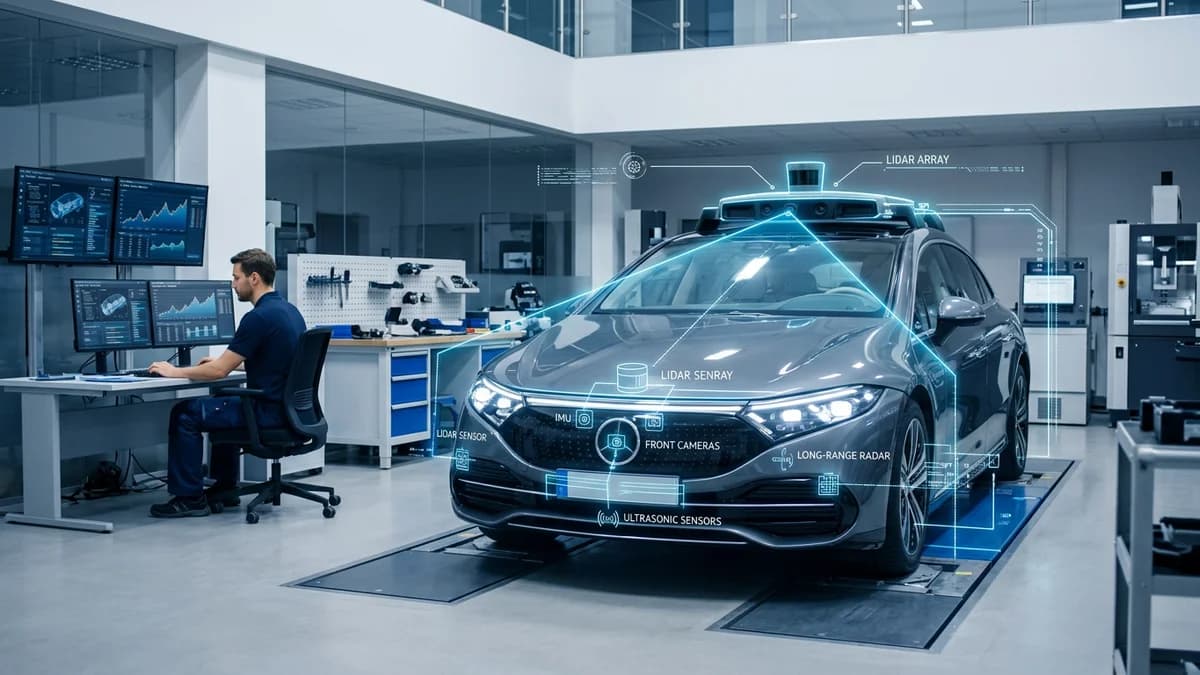
The Shifting Landscape of Vehicle Reliability
For decades, the definition of "wear-and-tear" in the context of Vehicle Service Contracts (VSCs) remained relatively static. It traditionally referred to the gradual degradation of mechanical parts—brake pads thinning, suspension bushings cracking, or belts fraying. These were predictable, mileage-dependent events. However, the rapid integration of Advanced Driver Assistance Systems (ADAS) has fundamentally altered the mechanical landscape, forcing a necessary evolution in how providers define, categorize, and price coverage for these sensitive components.
At OptimalCover, we monitor how actuarial data informs pricing bands across various vehicle segments. As vehicles become rolling sensor suites, the distinction between a "failed mechanical part" and a "degraded electronic sensor" has blurred, creating significant implications for consumers.
Defining Wear-and-Tear in the Digital Age
Historically, warranties excluded wear-and-tear because these items were viewed as consumables. If a part was designed to wear out, it was the owner's responsibility to replace it. Today, ADAS components—including LIDAR, radar arrays, ultrasonic sensors, and forward-facing cameras—do not "wear" in the traditional sense of friction or thermal degradation. However, they are subject to environmental fatigue, calibration drift, and software-induced communication failures.
When a sensor fails to detect an obstacle due to a degraded lens or internal corrosion, is it a mechanical breakdown or normal wear-and-tear? This ambiguity is where many VSC contracts face scrutiny. Modern contracts are increasingly adopting more nuanced language to distinguish between:
- Mechanical Failure: An internal component of the sensor breaking due to a manufacturing defect.
- Environmental Degradation: The loss of efficacy due to external factors like road debris, oxidation, or thermal cycling.
- Calibration Drift: The natural tendency for precision instruments to lose accuracy over time, often requiring service rather than component replacement.
The Cost of Calibration: A New Financial Reality
One of the most significant shifts in repair costs involves the labor associated with ADAS. It is no longer enough to simply bolt on a new sensor; nearly every sensor replacement in a modern vehicle requires a sophisticated recalibration process. This process often necessitates specialized equipment, proprietary software, and highly trained technicians.
From a pricing perspective, this has forced providers to recalibrate their own risk models. If a policy covers "sensors" but excludes "calibration" or "alignment," the consumer may find themselves paying a significant out-of-pocket fee for a repair that was theoretically covered. Consumers should browse their specific vehicle make to see how sensor density impacts potential claim outcomes.
How Providers Are Adjusting Coverage Language
In our analysis of current market methodology, we have observed three distinct shifts in how VSCs address these electronic components:
- Exclusionary Re-classification: Many providers are moving sensors from the "wear-and-tear" exclusion list and placing them into the "electronic component" category. While this generally increases the base premium, it provides clearer coverage paths for the consumer.
- Environmental Sub-limits: To protect against the high cost of sensor replacement due to road hazards (like salt-induced corrosion), some contracts now include sub-limits for environmental damage while maintaining full coverage for internal electronic failures.
- Software Integration Clauses: Because ADAS functions rely on the interplay between sensors and the vehicle’s ECU, providers are increasingly clarifying that coverage extends to the sensor itself, but potentially not to the software updates required to integrate a replacement unit.
Consumer Due Diligence: What to Look For
If you are evaluating a VSC for a vehicle equipped with extensive ADAS features, the standard definitions found in the FAQ may not suffice. You must look for explicit language regarding sensor calibration. A contract that covers the hardware but ignores the software and alignment requirements is often insufficient for modern vehicles.
When reviewing a contract, focus on these three areas:
- Calibration Inclusion: Does the contract cover the labor hours associated with ADAS calibration after a part replacement?
- Environmental Coverage: Is corrosion or oxidation of electronic components specifically excluded as a "wear-and-tear" item?
- Diagnostic Fees: Given that ADAS issues often require extensive diagnostic time, ensure the policy covers the labor to pinpoint the specific sensor failure.
The Future of Actuarial Risk
As ADAS becomes standard even in entry-level vehicles, the statistical probability of sensor-related claims is rising. This trend is a primary driver behind the current pricing landscape. Actuaries are no longer just looking at engine displacement and transmission reliability; they are now factoring in the "sensor density" of a vehicle platform. A vehicle with 360-degree cameras, LIDAR, and radar will naturally carry a different risk profile than a vehicle with basic cruise control.
Transparency in these definitions is the only way to ensure market health. Consumers should remain vigilant, understanding that while the technology changes, the necessity for clear, actionable contract language remains the cornerstone of a valuable protection plan. For more information on how to navigate these complex agreements, consult our consumer guide on VSC structures.