High-Voltage Cable Corrosion: Impact on BEV Warranty Pricing
High-voltage cable corrosion is emerging as a critical factor in BEV reliability, forcing a shift in how VSC providers calculate risk and set premium pricing.
The Silent Variable in Electric Vehicle Reliability
As the automotive landscape shifts toward full electrification, the actuarial models used to price Vehicle Service Contracts (VSCs) are undergoing a radical transformation. For decades, underwriters focused on internal combustion engine (ICE) metrics: timing chains, transmission solenoids, and cooling systems. Today, the focus has shifted to the high-voltage (HV) architecture of Battery Electric Vehicles (BEVs). Among the most significant, yet frequently overlooked, failure points in this new era is high-voltage cable corrosion.
At OptimalCover, we monitor how emerging technical failures translate into shifts in pricing-bands. Understanding why HV cable corrosion is becoming a critical data point requires looking past the battery pack and into the physical connections that power the vehicle.
Understanding High-Voltage Cable Corrosion
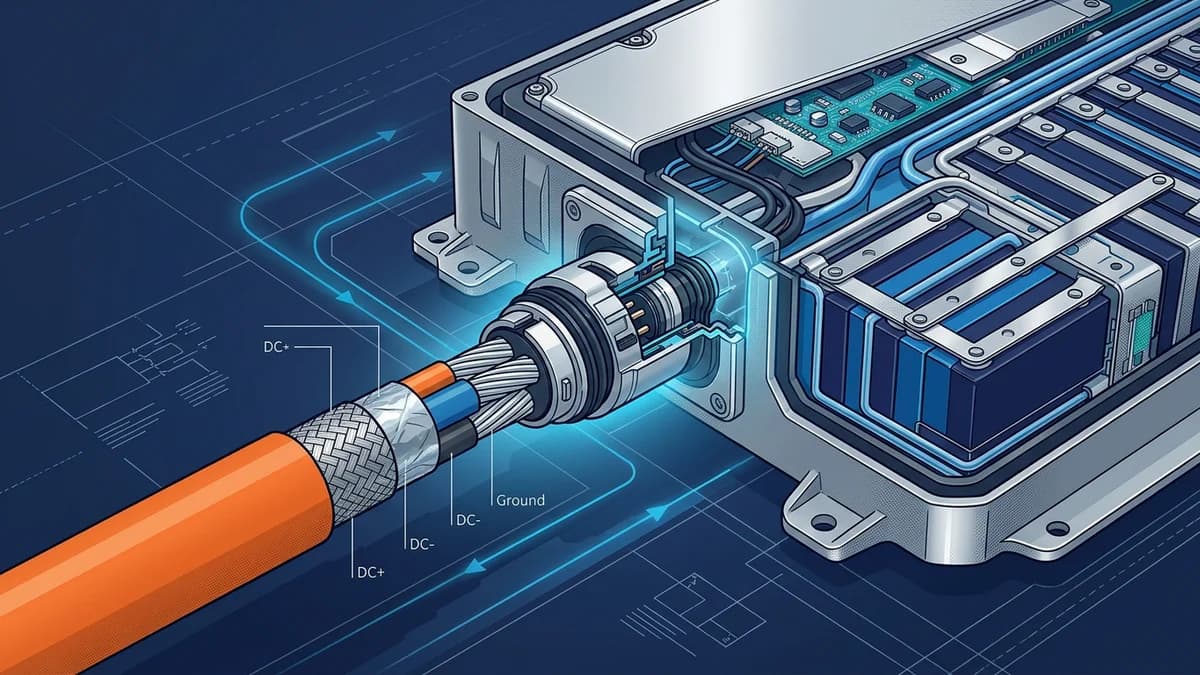
Unlike traditional 12-volt wiring, which is susceptible to standard oxidation, high-voltage cables in BEVs operate under extreme electrical loads and thermal conditions. These cables are designed to deliver hundreds of volts and hundreds of amperes to the traction motor. When environmental factors—such as road salt, moisture, and debris—compromise the insulation or the connector seals, galvanic corrosion can occur at the contact points.
The Actuarial Challenge
From an actuarial perspective, corrosion is notoriously difficult to model. It is a time-dependent variable influenced heavily by geography and driving habits. However, because BEVs utilize high-amperage connections, even minor surface oxidation can lead to increased resistance. This resistance generates localized heat, which can trigger thermal runaway sensors, leading to a "limp mode" or a total vehicle shutdown.
For providers, this creates a binary risk: the failure is either a minor connector cleaning or a major replacement of the entire high-voltage bus bar assembly, costing thousands of dollars in parts and specialized labor. We detail how these risks are calculated in our methodology section.
Why Corrosion is Disrupting Risk Tables
Traditional VSCs were built on the assumption that wiring harness failures were rare and relatively inexpensive to repair. BEVs have upended this assumption. The specialized nature of HV cables means that:
- Specialized Labor Requirements: Repairing an HV system requires technicians with high-voltage certification. The labor rate for these repairs is significantly higher than for standard automotive electrical diagnostics.
- OEM-Specific Engineering: Unlike generic wiring, HV cables are often proprietary to the vehicle manufacturer, leading to high parts costs and long lead times.
- Inherent Design Fragility: Some early-generation BEV platforms used connector designs that were prone to moisture ingress, creating a statistical "cluster" of failures as these vehicles cross the 60,000-mile mark.
These factors are forcing underwriters to adjust their browse data to account for a higher frequency of electrical system claims in BEV-specific tiers.
The Impact on Consumer VSC Coverage
If you own or are considering a BEV, it is vital to understand how these reliability trends affect your coverage. Many exclusionary VSCs cover "electrical failures" as a broad category, but the fine print often contains language regarding "corrosion" or "environmental damage" exclusions.
Are You Covered?
Before purchasing a contract, it is essential to clarify how your provider handles HV system components. You can learn more about these technical distinctions in our explainer on how VSCs function.
Key questions to ask when reviewing a quote include:
- Does the contract specifically include high-voltage bus bars and connectors?
- Is there an exclusion for "corrosion-related" failures? If so, this could negate coverage for the very failures becoming most common in older BEVs.
- Are diagnostic fees for HV systems capped? Given the complexity of isolating corrosion-related resistance issues, diagnostic time can be significant.
Looking Ahead: Data-Driven Pricing
As we accumulate more long-term data on BEV longevity, we expect to see VSC pricing tiers become more granular. We anticipate that geographic data—specifically regarding winter climates that utilize road salts—will become a primary rating factor for BEV-specific VSCs.
Consumers should be aware that as actuarial tables adjust to reflect these risks, premium pricing for BEVs may rise to compensate for the higher cost of electrical component failure. For those interested in the broader landscape of warranty coverage, our faq provides additional context on how these market shifts impact the average consumer.
Conclusion
High-voltage cable corrosion is more than just a maintenance nuisance; it is a fundamental shift in the reliability profile of the modern vehicle. As the industry gathers more data, the way we price and underwrite these risks will continue to evolve. For the consumer, the best defense remains transparency: understanding exactly what your contract covers and ensuring that your VSC provider is pricing their products based on modern, real-world electrical failure data rather than outdated ICE-based models.