Hybrid Powertrain Reliability: Where Traditional VSCs Fall Short
Hybrid and plug-in vehicles introduce complex electronic architectures that often fall outside the scope of traditional VSC coverage.
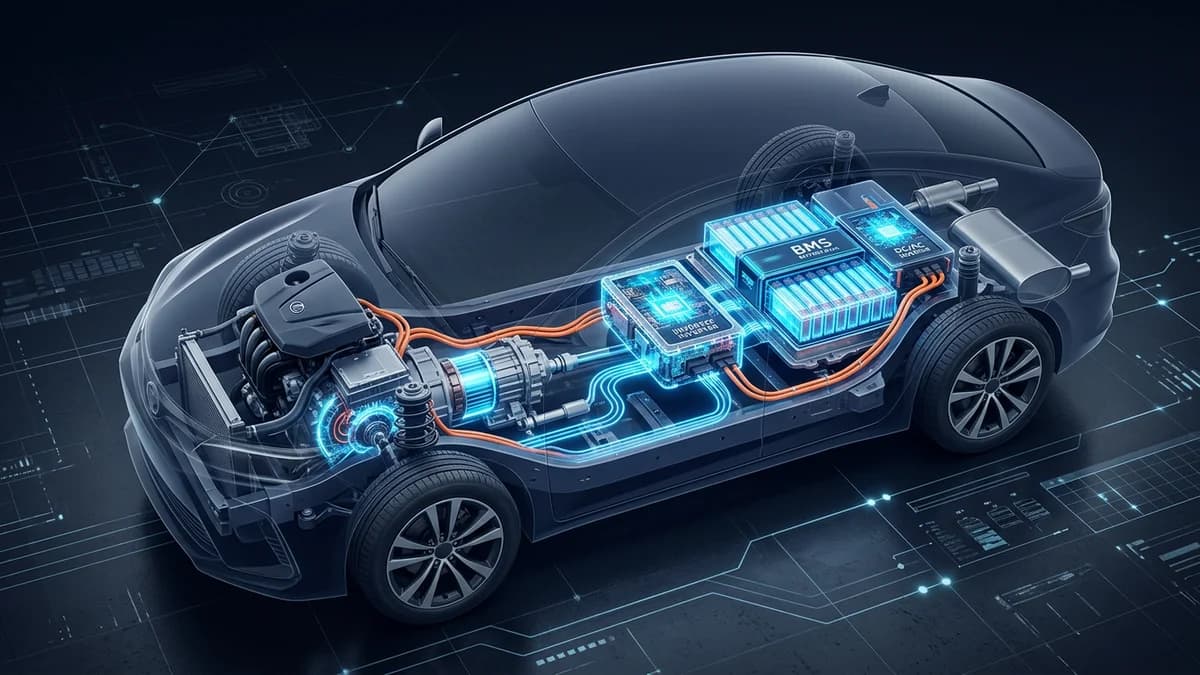
The Hybrid Complexity Paradox
Modern hybrid electric vehicles (HEVs) and plug-in hybrid electric vehicles (PHEVs) represent a significant engineering departure from the internal combustion engine (ICE) vehicles that dominated the automotive landscape for decades. While the promise of improved fuel efficiency and reduced emissions is clear, the mechanical complexity required to integrate two distinct propulsion systems creates a unique set of reliability challenges. For consumers, this shift necessitates a more critical approach to Vehicle Service Contracts (VSCs). At OptimalCover, we often see consumers purchase standard exclusionary contracts that may inadvertently exclude the specific high-voltage components that are most likely to fail in a hybrid architecture.
Traditional VSCs were designed around the fundamental components of an ICE vehicle: the engine block, transmission, and differential. While these remain relevant, the hybrid powertrain introduces a suite of electronic and power-delivery systems—such as the inverter, power control unit (PCU), and high-voltage battery management systems—that often fall into a 'coverage gray area' in legacy contract templates. Understanding these gaps is essential for any owner looking to mitigate the risk of high-cost repairs.
Deciphering the High-Voltage Gap
When evaluating a VSC for a hybrid, the most important distinction is between the high-voltage (HV) battery and the supporting electronic infrastructure. Most manufacturers provide an 8-year/100,000-mile warranty on the HV battery itself, as mandated by federal emissions regulations in many jurisdictions. However, the components that facilitate the marriage of gas and electric power are often not covered by this base OEM warranty.
The Inverter and Power Control Unit (PCU)
Perhaps the most expensive non-battery failure point in a hybrid is the inverter/PCU. This component converts the DC power from the battery into AC power for the electric motor and manages the regenerative braking system. If a contract is not explicitly exclusionary—covering all parts except those specifically listed—these complex electronic modules can be denied under 'wear and tear' or 'electronic failure' exclusions. Before signing, check our pricing-bands to see how comprehensive coverage for modern electronics affects the baseline premium.
Regenerative Braking Systems
Hybrid vehicles utilize regenerative braking, which places different loads on the hydraulic braking system compared to traditional cars. While brake pads are universally considered wear items, the electronic actuators and vacuum pumps associated with regenerative braking are frequently excluded from standard powertrain-only contracts. Consumers should ensure their contract language includes 'Brake System' coverage that specifically mentions electronic assist modules.
Actuarial Reality: Why Hybrid VSC Pricing Varies
From an actuarial perspective, hybrid vehicles present a bifurcated risk profile. On one hand, the internal combustion engine in a hybrid often experiences less wear due to the assistance of the electric motor, leading to lower-than-average claims for traditional mechanical failures. On the other hand, the frequency of electronic diagnostic claims is significantly higher than in ICE-only vehicles.
Our methodology at OptimalCover accounts for these variables by analyzing the specific architecture of the vehicle. When comparing quotes, you will often find that a 'Hybrid-Specific' or 'Comprehensive' plan is priced higher than a standard plan. This is not arbitrary; it reflects the higher cost of parts and the specialized labor required to diagnose high-voltage systems. If you are unsure if your vehicle qualifies for specific coverage, you can browse by brand to see how different manufacturers integrate these technologies and how that impacts the actuarial risk assessment.
Essential Questions for Your VSC Administrator
To ensure your VSC provides actual protection for a hybrid or plug-in vehicle, you must move beyond the marketing brochure and scrutinize the contract's 'Exclusions' section. We recommend asking the following questions before purchasing:
- Is the Power Control Unit (PCU) specifically named or included in the exclusionary list?
- Does the contract cover the electric drive motor/generator assemblies?
- Are software-related failures that require a system reflash or update covered? (Many contracts exclude 'software' or 'reprogramming' even if a hardware component fails).
- Is the high-voltage charging cable and onboard charger (OBC) covered under the electrical system section?
For more guidance on interpreting these terms, visit our FAQ section where we break down common contract language pitfalls.
The Future of Hybrid Claims
As vehicle connectivity increases, the line between mechanical failure and software malfunction continues to blur. Modern PHEVs rely heavily on diagnostic logs to determine if a component has failed or if a sensor is simply providing erroneous data. If your provider requires a 'hard failure'—meaning the part must be physically broken to be covered—you may face significant hurdles when dealing with intermittent electronic glitches common in hybrid systems.
At OptimalCover, we advocate for transparency in the claims process. A VSC is only as valuable as the administrator's willingness to cover the components that are actually failing. By understanding the unique risks of your hybrid powertrain, you can make an informed decision that protects your financial interests against the high costs of modern automotive technology.