Rising Electronic Failures: Infotainment and Stability Systems
Electronic failures are outpacing mechanical ones. We analyze why infotainment and stability systems are driving up VSC claims and what you need to know.
The Shifting Landscape of Automotive Repair
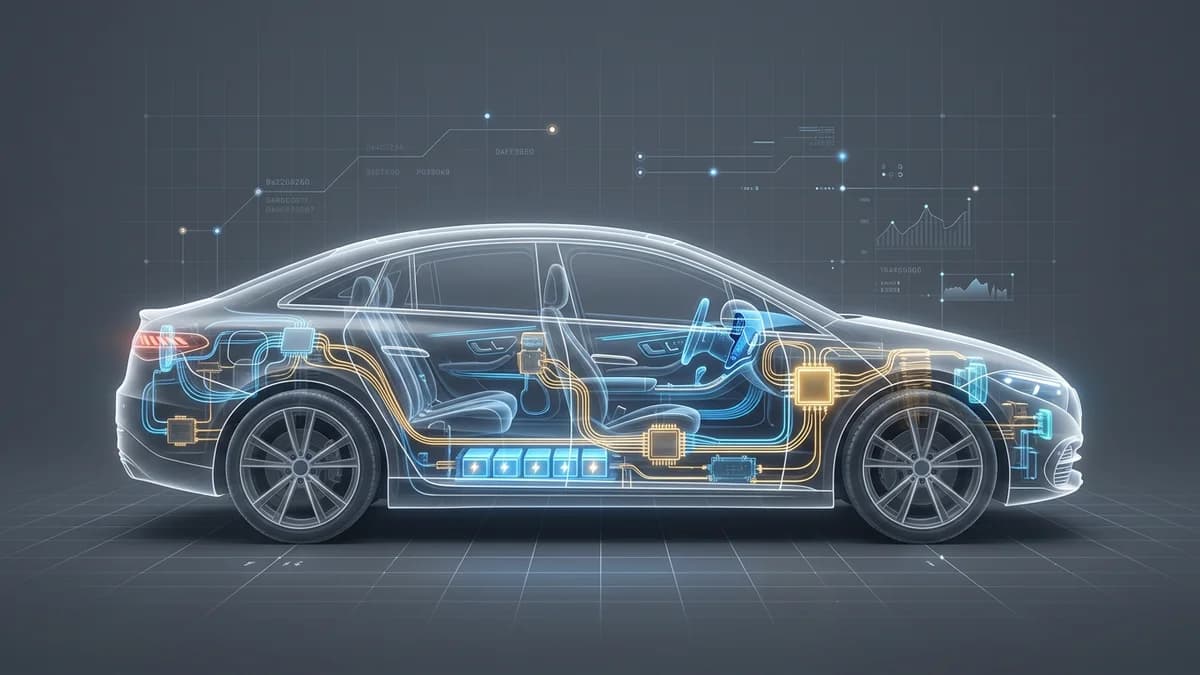
For decades, the actuarial models used to price Vehicle Service Contracts (VSCs) were built primarily around mechanical longevity. The focus was on the "big three": the engine, the transmission, and the drivetrain. However, the automotive industry has undergone a fundamental transformation. Modern vehicles are no longer just mechanical marvels; they are rolling computer networks. As we analyze the latest claims data at OptimalCover, we are seeing a distinct trend: the frequency of claims related to infotainment systems and Electronic Stability Control (ESC) modules is rising sharply, often outpacing traditional mechanical failures.
This shift is not merely a nuisance for drivers; it represents a significant change in how risk is assessed and how VSCs are valued. Understanding why these components fail and how they are handled under a service contract is essential for any consumer looking to protect their long-term financial interest.
The Complexity of Infotainment Systems
Modern infotainment units are the central nervous system of the cabin. They manage navigation, climate control, smartphone integration, and often the configuration of vehicle safety settings. Unlike a mechanical water pump that fails due to wear, infotainment systems are susceptible to a wider range of failure modes:
- Software Corruption: Firmware updates can sometimes brick a system or introduce bugs that render the interface unresponsive.
- Hardware Degradation: Touchscreens, processors, and internal memory chips operate in extreme temperature environments, leading to premature failure.
- Connectivity Issues: Bluetooth, Wi-Fi, and cellular modules are prone to interference and hardware fatigue, often requiring full unit replacement rather than simple repairs.
From a VSC perspective, the primary challenge is that these units are rarely "repairable" in the traditional sense. When a dealer technician identifies a fault, the standard protocol is a full replacement of the head unit or control module. Because these units are often proprietary and integrated with the vehicle’s VIN, the cost of replacement—including labor and programming—can frequently exceed $2,000 to $3,000.
Are Infotainment Systems Covered?
Before purchasing a plan, it is critical to verify if your contract includes "high-tech" or "electronic" coverage. Many entry-level powertrain plans specifically exclude entertainment systems. For a detailed look at how different coverage levels address these components, visit our pricing-bands page to see how component coverage impacts premium tiers.
Electronic Stability Control (ESC) and Safety Sensors
While infotainment issues are often viewed as a comfort concern, failures in Electronic Stability Control (ESC) and related Advanced Driver Assistance Systems (ADAS) are safety-critical. ESC systems use a network of sensors—including steering angle, wheel speed, and yaw rate sensors—to prevent skidding and loss of control.
When these systems fail, the vehicle often illuminates a warning light on the dashboard, and in many jurisdictions, this will result in an immediate failure of a state safety inspection. Unlike the infotainment system, which might just be an inconvenience, an ESC failure can render a vehicle unsafe to operate.
The Cost of Calibration
Repairing ESC systems often involves more than just replacing a sensor. Modern safety systems require:
- Diagnostic Labor: Specialized equipment is needed to pinpoint which sensor or control module is at fault.
- Calibration: After a sensor is replaced, the entire system must often be recalibrated. This is a time-intensive process that requires high-level diagnostic tools, driving up labor costs.
- Component Interdependency: Because ESC is tied to the Anti-lock Braking System (ABS) and engine management, a failure in one can trigger a cascade of error codes, leading to complex and expensive diagnostic procedures.
How VSC Providers Are Adjusting
As the frequency of these electronic claims increases, the actuarial reality is that the cost of providing coverage for them must be factored into the premium. If you are shopping for a VSC, you will notice that vehicles with higher levels of electronic integration—often luxury brands or top-trim economy models—carry higher risk ratings. You can browse by brand to see how these reliability profiles influence market pricing.
It is important to understand the distinction between "wear and tear" and "mechanical breakdown." Most VSCs are designed to cover mechanical breakdowns. If a sensor fails due to a manufacturing defect or electronic malfunction, it is generally covered. However, if a sensor is damaged during a collision or due to water intrusion, that is typically excluded. Always review the explainer on how these definitions are applied in standard contracts to ensure you are not left with a coverage gap.
Consumer Checklist: Protecting Your Investment
If you are concerned about the rising costs of electronic repairs, keep these points in mind when evaluating a VSC:
- Check for "Exclusionary" Coverage: Look for plans that list what is not covered rather than what is. These plans are much more likely to include sensors, infotainment modules, and complex electrical components.
- Verify Diagnostic Coverage: Ensure your contract explicitly states that diagnostic fees are covered when they lead to a covered repair. With electronics, the diagnostic time is often the most expensive part of the bill.
- Understand the "Tech" Add-ons: Some providers offer a specific "Technology Package" or "Luxury Electronics" rider. If your vehicle is loaded with screens and sensors, verify if this rider is necessary for your specific model.
- Review the Claims Process: Does the administrator require pre-authorization for electronic diagnostics? Understanding the FAQ regarding the claims process can save you significant frustration during a repair event.
Final Thoughts
As vehicle technology continues to evolve, the distinction between a "mechanical" warranty and a "comprehensive" electronic warranty will only become more pronounced. While the engine remains a vital component, the electronic infrastructure of the modern vehicle is increasingly where the highest repair costs reside. By understanding these trends, consumers can make more informed decisions about the level of protection that aligns with their vehicle’s unique technological profile.