Are Touchscreen Infotainment Systems 'Wear Items'? Analyzing Exclusions
As vehicle infotainment systems become more complex, VSC providers are increasingly classifying touchscreens as 'wear items.' Here is how to spot these exclusions.
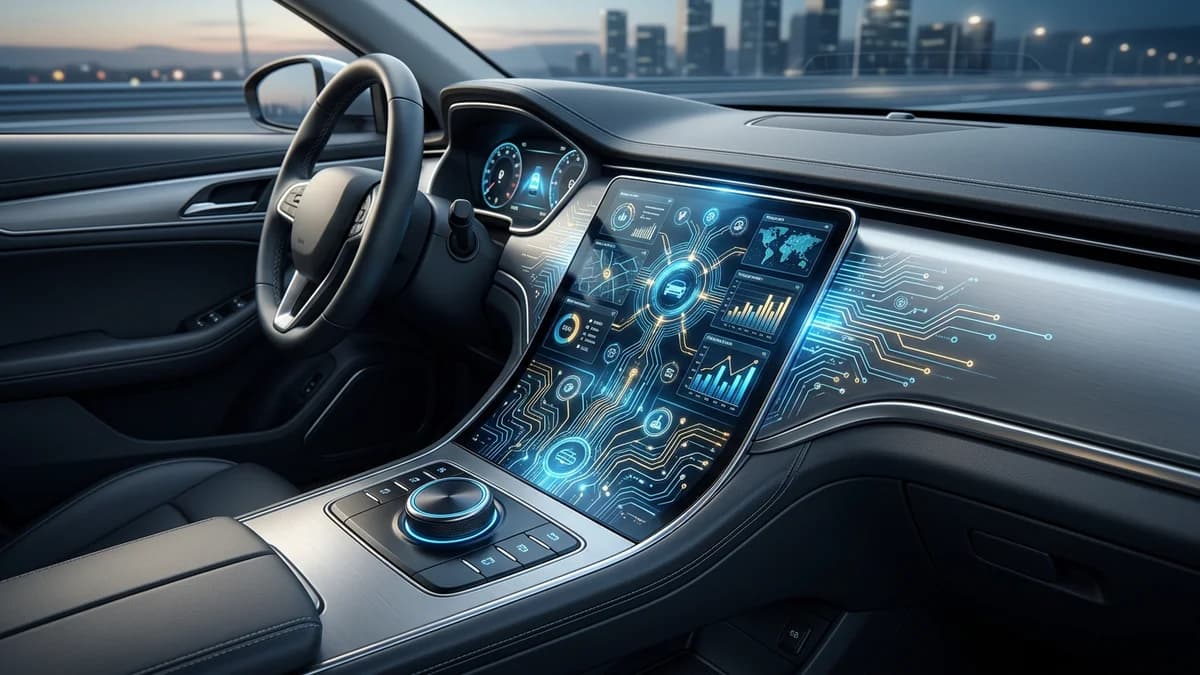
The Digital Dashboard Dilemma
Modern vehicles have transitioned from mechanical machines to rolling computer networks. As the focal point of this transformation, the central infotainment unit—once a simple radio—is now the primary interface for climate control, navigation, vehicle settings, and safety systems. However, this shift in vehicle architecture has created a significant friction point for consumers: the classification of digital displays and touchscreens within Vehicle Service Contracts (VSCs).
At OptimalCover, our analysis of actuarial data suggests that infotainment failures are rising at a rate disproportionate to traditional powertrain components. As these units become more integrated, policyholders are increasingly finding themselves in a "coverage gray area" where providers attempt to classify high-failure electronic components as "wear items" or "non-covered software."
Defining the 'Wear Item' Boundary
In traditional automotive terms, a "wear item" refers to a component expected to degrade through normal use, such as brake pads, tires, wiper blades, or clutch discs. These items are universally excluded from VSC coverage, as their failure is a function of friction and usage rather than a manufacturing defect.
However, some VSC administrators are attempting to categorize touchscreens as wear items based on the logic that they are "user-interface devices" subjected to constant physical contact. This is a critical distinction that every consumer must monitor. If a contract explicitly lists the touchscreen or the head unit as a wear item, the probability of a successful claim for a non-responsive screen or "ghost touching" is near zero.
The Exclusionary Language Trap
When evaluating a VSC, it is essential to distinguish between Exclusionary (or "Bumper-to-Bumper") coverage and Stated Component coverage. For more on how these structures differ, see our /explainer.
The 'Software vs. Hardware' Distinction
Many claims involving infotainment systems are denied not because the hardware failed, but because the failure is attributed to "software corruption" or "firmware incompatibility."
- Hardware Failures: Physical screen delamination, backlight burnout, or digitizer failure. These are typically covered under comprehensive exclusionary policies.
- Software Glitches: System freezes, boot loops, or connectivity issues caused by outdated software. These are frequently excluded under "software/programming" clauses.
When a dealer technician diagnoses an infotainment failure, the specific wording of their notes is paramount. If the notes suggest the system requires a "re-flash" or "update" rather than a hardware replacement, the provider may classify the repair as a non-covered maintenance procedure.
Actuarial Trends: Why Costs Are Rising
Our /methodology shows that the cost of electronic control units (ECUs) and infotainment modules has increased significantly over the last 36 months. Unlike a mechanical gear that can be machined or refurbished, modern infotainment units are often proprietary, VIN-locked modules. Replacing a screen often requires replacing the entire head unit, which may cost upwards of $2,000 to $4,000 including labor.
Because these components are prone to failure but expensive to replace, some providers have begun subtly inserting language into contracts that limits liability for "integrated digital displays." We have observed a trend where policies specifically exclude "liquid crystal displays" or "touch interfaces" unless they are part of a specific, named "electronic module" coverage tier.
Due Diligence: How to Audit Your Coverage
Before finalizing a VSC, consumers should scrutinize the "Exclusions" section of the contract for the following red flags:
- Broad Exclusions: Look for language stating that "any component subject to physical interaction by the driver" is excluded. This is a common backdoor to deny screen-related claims.
- Software Limitation Clauses: Ensure the contract does not explicitly exclude "software updates, diagnostic resets, or firmware patches" as a primary cause of system failure.
- Integrated Systems: Check if the contract defines the infotainment unit as part of the "Audio/Video System." If so, ensure that the policy does not lump this into a limited "Entertainment Package" that carries lower aggregate claim caps.
The Consumer Perspective
It is important to remember that a VSC is a risk-transfer product, not a maintenance plan. While infotainment systems are becoming less reliable, they are not strictly "wear items" in the engineering sense. If a provider insists on classifying a non-responsive screen as a wear item, it is often a sign of an aggressively underwritten policy designed to limit liability in the face of known, high-frequency electronic failures.
For those currently researching plans, we recommend using our /pricing-bands tool to compare how different policy tiers treat electronic component coverage. Being aware of these exclusions before you purchase allows you to select a contract that matches the actual reliability profile of your vehicle's technology suite.
Conclusion
The digitization of the vehicle interior has forced a evolution in how we view reliability. As touchscreen systems become the central hub of vehicle functionality, their failure is not a matter of "if," but "when." Consumers should prioritize policies that clearly define electronic modules as covered components and avoid contracts that use vague "wear item" language to disqualify digital interfaces. By reading the fine print and focusing on exclusionary coverage, you can ensure that your financial protection keeps pace with your vehicle's technology.