Maintenance vs. Warranty: Clarifying the Coverage Gap
Distinguishing between routine maintenance and mechanical warranties is critical for vehicle owners. Learn what is covered, what isn't, and how maintenance impacts your warranty.
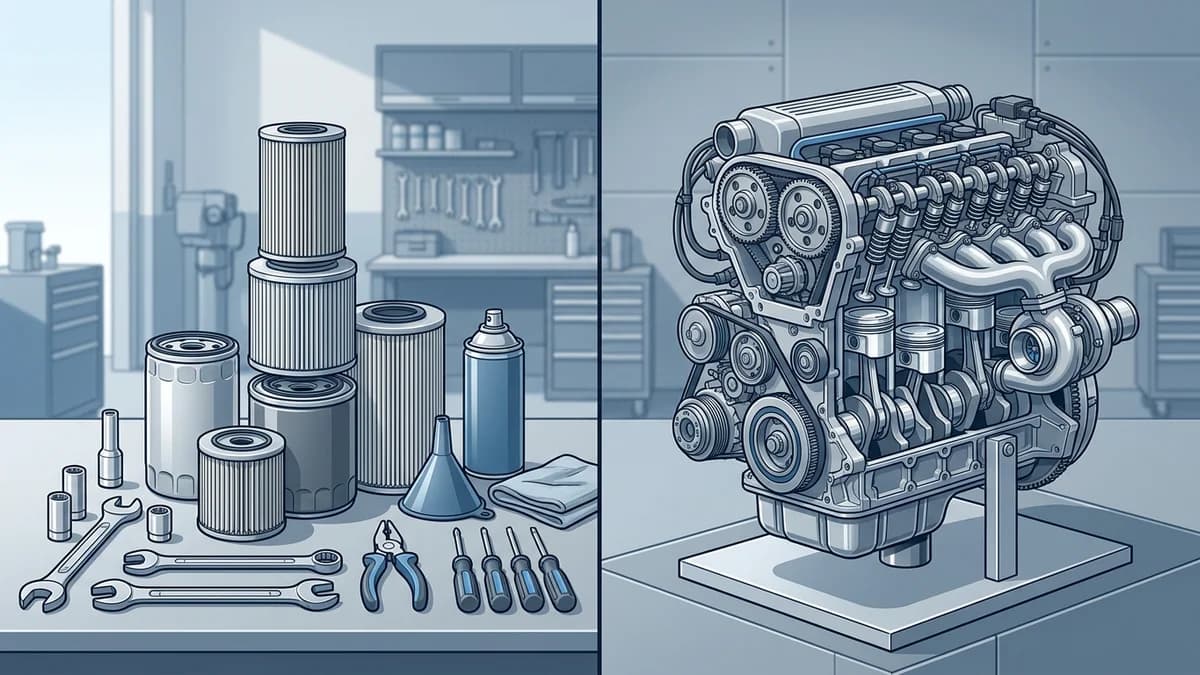
Understanding the Fundamental Distinction
For many vehicle owners, the terms "maintenance" and "warranty" are often conflated, leading to confusion during service visits. At OptimalCover, our goal is to provide clarity on how these two distinct categories of automotive financial protection interact—or, more accurately, why they usually do not. Understanding the difference is essential for accurate budgeting and avoiding unnecessary out-of-pocket expenses.
At its core, a Vehicle Service Contract (VSC), commonly referred to as an extended warranty, is an insurance-like product designed to mitigate the financial risk of mechanical failure. Conversely, maintenance is the preventative care required to keep a vehicle operating within manufacturer specifications. To understand the nuances, we recommend reviewing our explainer on how VSCs function.
What Constitutes Maintenance?
Maintenance refers to the routine services required to preserve the vehicle’s longevity and safety. These items are typically dictated by the manufacturer’s service schedule, found in your owner's manual. Maintenance is inherently predictable and periodic.
Common maintenance items include:
- Oil and filter changes: The lifeblood of an internal combustion engine.
- Tire rotations and balancing: Essential for even wear and handling.
- Brake pads and rotors: These are considered "wear-and-tear" items that degrade through normal operation.
- Fluid flushes: Including transmission, coolant, and brake fluid replacements.
- Filters: Air, cabin, and fuel filters.
- Wiper blades and light bulbs: Consumable parts that require replacement based on environmental usage.
Because these parts are expected to degrade over time through normal operation, they are universally excluded from VSC coverage. If you are looking for data on how different vehicle brands fare in terms of reliability, you can browse our brand-specific performance data.
What Constitutes Warranty Coverage?
In contrast, a VSC is designed to cover the cost of repairing or replacing components that experience a mechanical breakdown due to defects in materials or workmanship. A breakdown occurs when a part stops performing its intended function under normal operating conditions.
While maintenance is about preservation, a VSC is about restoration. If your alternator fails, your transmission slips due to an internal component failure, or your power window motor dies, these are typically covered events, provided the vehicle has been maintained according to the manufacturer's requirements.
Where the Lines Blur: The "Failure vs. Wear" Debate
The most significant friction point between owners and providers occurs at the intersection of wear and failure. For instance, while brake pads are maintenance, the ABS (Anti-lock Braking System) module is a mechanical component. If the module fails, it is a warranty event. If the brakes squeal because the pads are thin, that is a maintenance event.
It is vital to recognize that most VSC providers require proof of maintenance. If a transmission fails because the fluid was never changed at the required intervals, the claim may be denied. This is not because the maintenance was the repair, but because the lack of maintenance caused the mechanical failure.
The Role of Documentation
To ensure your VSC remains valid, you must keep meticulous records of all performed maintenance. This includes:
- Date and mileage of each service.
- Detailed invoices listing the parts and fluids used.
- Proof of compliance with the manufacturer's recommended service intervals.
For a deeper dive into how providers evaluate claims based on maintenance history, consult our methodology section.
Financial Planning: Preparing for Both
Smart financial planning involves separating your automotive budget into two buckets:
- The Maintenance Fund: A predictable, recurring budget based on your manufacturer's service schedule. These are expenses you know are coming.
- The Risk Mitigation Bucket: The cost of your VSC, which protects against the "unknown"—the high-cost mechanical failures that can exceed thousands of dollars in a single visit.
By understanding the distinction, you avoid the mistake of assuming a VSC covers routine consumables, and you prevent the costly error of skipping maintenance that could void your coverage. If you are currently evaluating the cost of coverage for your specific vehicle, our pricing-bands tool can provide a transparent look at market rates for your make and model.
Summary of Key Differences
| Feature | Maintenance | Warranty (VSC) |
|---|---|---|
| Purpose | Preventative Care | Repairing Mechanical Failure |
| Predictability | High (Scheduled) | Low (Random) |
| Coverage | Consumables/Wear items | Internal mechanical components |
| Requirement | Owner responsibility | Subject to proof of service |
| Frequency | Periodic | Event-based |
For more information on navigating the complexities of vehicle ownership and protection, we encourage you to visit our FAQ page, where we address common misconceptions regarding service contracts and manufacturer obligations.