The Most Expensive Car Repairs and How Warranties Help
Modern vehicle repairs are increasingly expensive due to complex technology. Learn how Vehicle Service Contracts help manage these high-cost risks.
Understanding the Financial Reality of Modern Vehicle Repairs
As vehicle technology becomes increasingly sophisticated, the complexity of repairs has moved well beyond the mechanical basics of the last century. Today’s automobiles are rolling computer networks, integrating advanced sensors, high-pressure fuel systems, and complex electronic control units (ECUs). When these systems fail, the financial burden on the vehicle owner can be substantial. Understanding the cost of these repairs is a critical component of personal financial planning for any vehicle owner.
At OptimalCover, we prioritize data-driven transparency to help you navigate these costs. To understand how to protect your budget, it is first necessary to examine the components that carry the highest risk of failure and the associated costs of their replacement.
The High-Cost Culprits: Why Repairs Are Getting Pricier
Repair costs are driven by two main factors: parts complexity and labor intensity. Modern diagnostic equipment requires specialized training, and the parts themselves often utilize proprietary technology. Here are the most expensive common repairs seen in the current market:
1. Engine Replacement or Major Overhaul
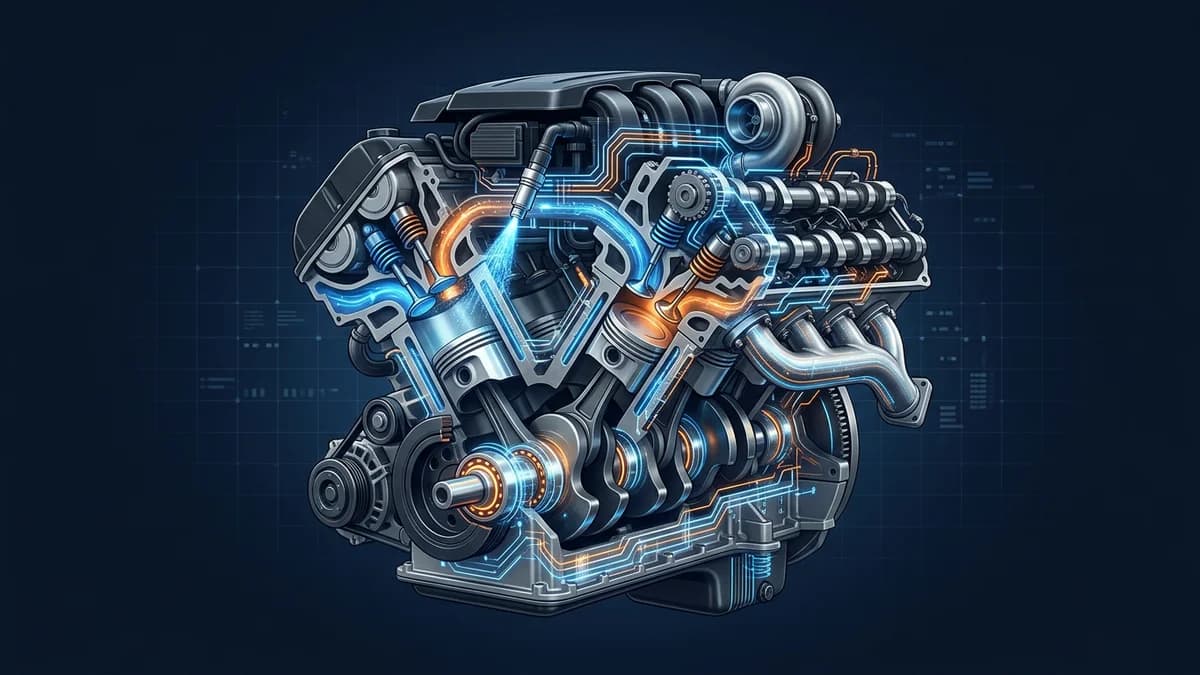
An engine failure is the most catastrophic event for a vehicle owner. Whether due to a timing chain failure, internal oil starvation, or catastrophic cooling system malfunction, the cost of replacing a modern engine can range from $5,000 to over $12,000 depending on the vehicle’s brand and powertrain configuration.
2. Transmission Failure
Automatic transmissions, particularly continuously variable transmissions (CVTs) and dual-clutch transmissions (DCTs), are marvels of engineering but are notoriously difficult to repair. In many cases, a manufacturer does not support internal component repair, requiring a complete unit replacement. These repairs frequently exceed $4,000.
3. Advanced Driver Assistance Systems (ADAS)
Sensors, cameras, and radar units integrated into modern bumpers and windshields are not just expensive to purchase; they require precise calibration after installation. A minor collision or a sensor malfunction can lead to repair bills involving thousands of dollars just to recalibrate the vehicle’s safety systems.
4. Infotainment and Electronic Control Modules
The central nervous system of a modern car—its ECU and infotainment interface—can be prone to glitches or total failure. Replacing a primary control module often requires dealership-level software programming, pushing costs well into the $2,000 to $4,000 range.
How a Vehicle Service Contract (VSC) Mitigates Financial Risk
A Vehicle Service Contract (VSC), often referred to as an extended warranty, acts as a financial buffer against these unpredictable expenses. By paying a predetermined price for coverage, you effectively transfer the risk of catastrophic component failure to a third-party provider.
The Role of Coverage Types
Not all protection is equal. When evaluating your options, consider the difference between Exclusionary and Stated Component coverage:
- Exclusionary Coverage: This is the most comprehensive form of protection. It covers almost everything on your vehicle except for a specific list of excluded items (usually maintenance parts like brake pads, tires, and filters). This is highly recommended for vehicles with complex electronic systems.
- Stated Component (Named Component) Coverage: This type of coverage only pays for repairs on items specifically listed in the contract. While often more affordable, it requires careful review of what is excluded to ensure it covers the high-cost items mentioned above.
For a detailed look at how these coverage levels impact pricing, you can review our pricing-bands and learn more about our methodology for calculating fair market value.
Strategic Considerations for Vehicle Owners
Buying a VSC is not a one-size-fits-all decision. It requires an assessment of your vehicle’s specific reliability history and your own risk tolerance.
- Review Reliability Data: Some brands have higher costs for electronic components, while others have higher mechanical failure rates. You can browse by vehicle brand to see typical failure trends.
- Understand the Terms: Before signing, ensure you understand the deductible, the mileage limitations, and the process for claims. Our explainer provides a deep dive into how these contracts function.
- Timing Matters: Purchasing coverage while the vehicle is still within the factory warranty period is generally more cost-effective than waiting until the vehicle is older or has higher mileage. Explore our FAQ for guidance on common timing strategies.
Evaluating the Cost-Benefit
When you are faced with a potential $5,000 repair bill, the value of a VSC becomes clear. However, it is essential to ensure you are not paying a premium for coverage that exceeds the actual risk. The goal of an informed consumer is to find a contract that covers the most likely high-cost failures without unnecessary markups.
By focusing on the actual cost of repairs and the specific vulnerabilities of your vehicle model, you can make an objective decision rather than a reactive one. Remember, the goal of a VSC is to provide peace of mind and financial predictability, ensuring that a single mechanical failure does not derail your annual budget.
For more information on how to compare quotes and avoid overpaying, continue your research through our educational resources.