OTA Software Updates and VSC Claim Denials: A Technical Analysis
OTA software updates are transforming vehicle maintenance, but they also create new challenges for VSC claims. Learn how software-related failures impact coverage.
The Digital Evolution of Vehicle Maintenance
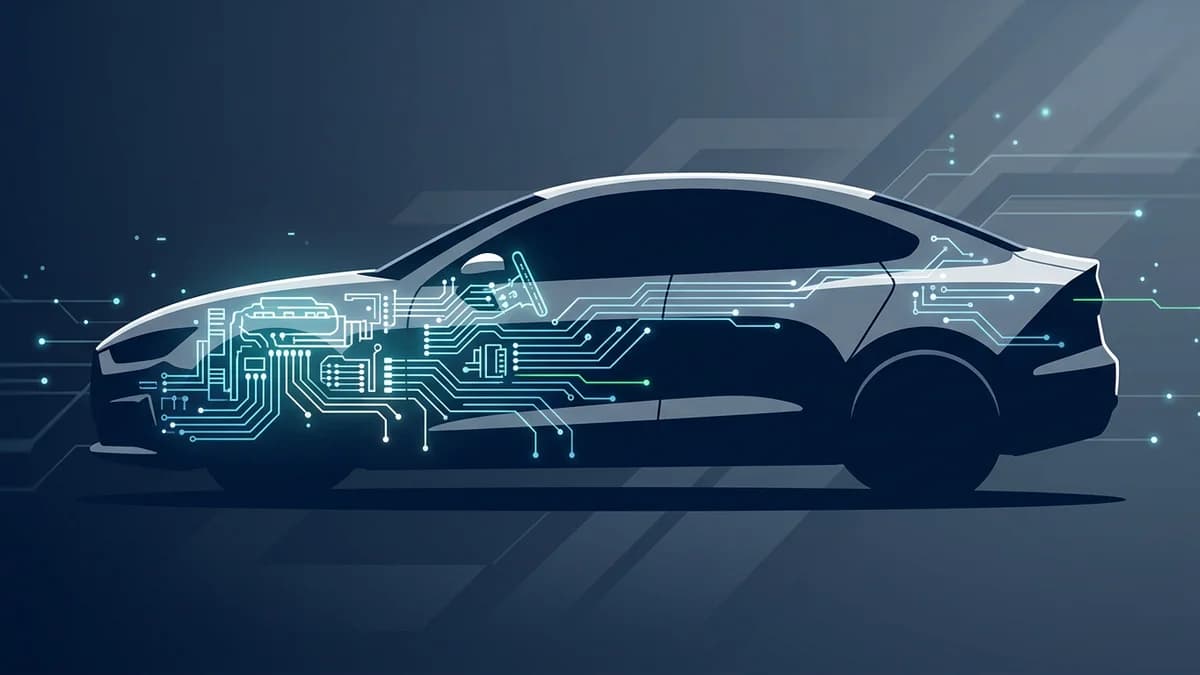
Modern vehicles are effectively rolling data centers. As manufacturers shift toward software-defined architectures, the traditional mechanical repair model is being supplanted by Over-the-Air (OTA) updates. While these updates enhance performance, patch security vulnerabilities, and fix bugs without requiring a dealership visit, they introduce a complex variable into the realm of Vehicle Service Contracts (VSCs). At OptimalCover, we monitor how these technological shifts interact with contract language and actuarial risk assessments.
Understanding the intersection of software maintenance and warranty coverage is critical for vehicle owners. When a vehicle experiences a system failure, the distinction between a 'mechanical breakdown' and a 'software configuration error' can determine whether a claim is honored or denied. For a deeper look at how we evaluate such risks, visit our /methodology page.
Defining the Coverage Gap: Software vs. Hardware
Most traditional VSCs were written with a focus on mechanical and electrical component failure—parts that wear out or break due to defect. Software, by contrast, does not 'wear out.' It can, however, become corrupted or fail to interface correctly with hardware components.
When a manufacturer pushes an OTA update, they are technically modifying the operational parameters of the vehicle. If that update triggers a diagnostic trouble code (DTC) or causes a component to malfunction, the resulting claim enters a grey area. Is the failure a result of a defective part, or is it a software bug?
The 'Non-Covered' Clause
Many VSCs explicitly exclude 'software, firmware, or programming' from their list of covered items. If your vehicle’s infotainment system, ADAS (Advanced Driver Assistance Systems), or powertrain control module (PCM) fails following an OTA update, the administrator may categorize the issue as a 'software-related incident' rather than a 'mechanical breakdown.'
Consumers should review their contracts for language regarding:
- Software Exclusions: Clauses that specifically deny coverage for non-mechanical failures.
- Unauthorized Modifications: Language that prohibits changes to the vehicle's electronic architecture, which can sometimes be interpreted to include specific user-initiated software updates.
- Diagnostic Requirements: The necessity of providing a clear link between the hardware failure and the software update to justify a claim.
For more information on how to interpret these clauses, consult our /explainer guide on how VSCs function.
The Risk of 'Bricked' Systems and OTA Updates
When an OTA update is interrupted—due to a loss of connectivity or battery failure during the installation—the vehicle’s control modules can become unresponsive, a phenomenon commonly referred to as 'bricking.'
From an actuarial perspective, this is a significant risk. If the vehicle is no longer drivable, the owner will naturally look to their VSC for relief. However, most VSC administrators view a 'bricked' system as a result of an external event (the failed update process) rather than a manufacturing defect in the hardware itself. Consequently, claims for repairs related to botched OTA updates are frequently denied.
How to Protect Your Coverage
As vehicle technology becomes more integrated, the burden of proof in the claims process shifts toward the consumer. To mitigate the risk of a denied claim, consider the following best practices:
- Maintain Digital Service Logs: Keep records of all OTA updates installed on your vehicle. If a failure occurs, having a timeline of when updates were applied can help prove that the failure was a result of a system glitch rather than operator error.
- Verify OEM Requirements: Ensure your vehicle’s battery health is sufficient before initiating a significant OTA update. Some manufacturers note that a low-voltage battery can cause an update to fail, which could be classified as 'improper maintenance' by a warranty provider.
- Review Your Contract Before Purchase: When comparing plans at /pricing-bands, specifically look for exclusionary language regarding software, firmware, or electronic control module updates.
- Check for Manufacturer Recalls: If an OTA update is released as part of a safety recall, the manufacturer is typically obligated to resolve any issues resulting from that update. Do not assume your third-party VSC will cover costs that the manufacturer is legally responsible for addressing.
The Future of VSC Adjudication
As we look toward the future, the industry will likely see a shift in how software-related claims are handled. Some providers are beginning to offer 'add-on' coverage specifically for electronic systems, acknowledging that the reliance on software is an inherent part of modern vehicle ownership. However, until this becomes the standard, consumers must remain vigilant.
Transparency in coverage is paramount. If you are unsure whether your specific vehicle brand or model is susceptible to these coverage gaps, you can /browse our data-driven insights by brand. Understanding the limitations of your contract is the most effective way to ensure your financial protection stays intact as your vehicle receives its next digital update.
For common queries regarding how these policies are structured, visit our /faq section. Remember, the role of an extended warranty is to provide peace of mind against unforeseen mechanical failures; being aware of the digital landscape is simply the new requirement for achieving that goal.