Powertrain vs Comprehensive Warranty: Making the Right Choice
Choosing between powertrain and comprehensive warranties is a balance of risk and budget. Learn how to determine which coverage level fits your vehicle.
Understanding the Core Coverage Models
When navigating the complexities of Vehicle Service Contracts (VSCs), the most fundamental decision a consumer faces is choosing between a Powertrain plan and a Comprehensive (often referred to as Bumper-to-Bumper or Exclusionary) plan. At OptimalCover, we advocate for a data-driven approach to this decision, ensuring that your financial protection aligns with your vehicle's specific reliability profile and your personal risk tolerance.
Defining Powertrain Coverage
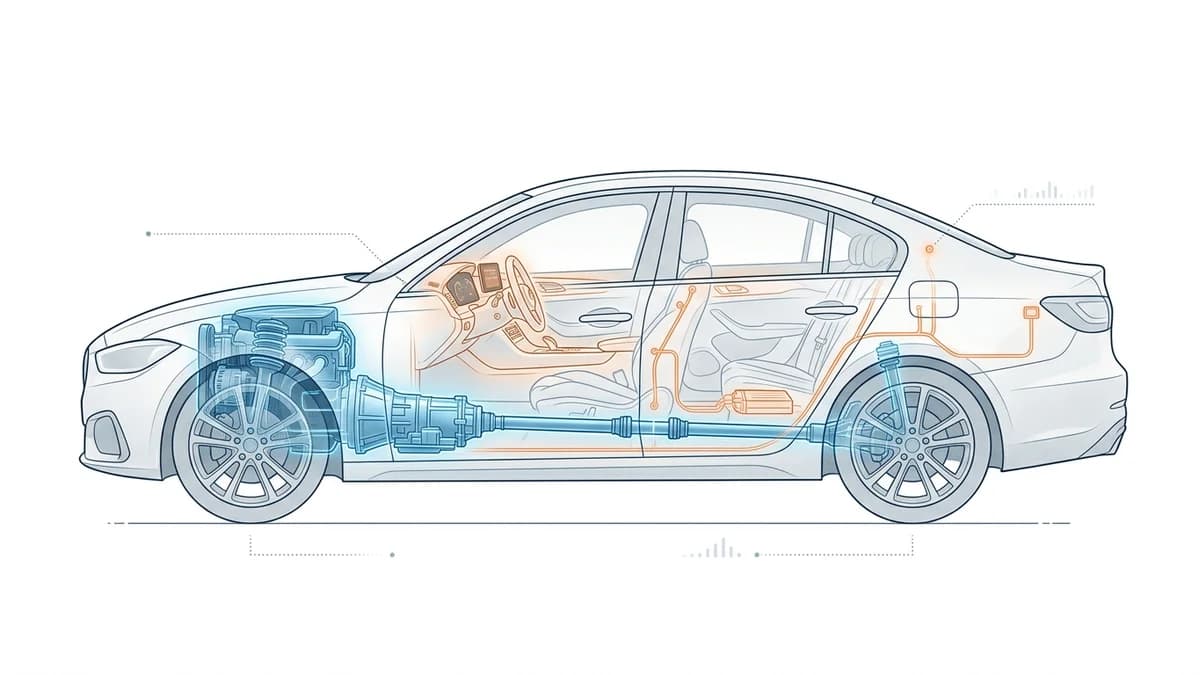
Powertrain coverage is the most basic level of protection available. It is designed to cover the components that make the vehicle move. If a part is not involved in the propulsion or transmission of power to the wheels, it is almost certainly not covered under a standard powertrain policy.
Typically, this coverage includes:
- Engine: Internally lubricated parts, timing chains, oil pumps, and water pumps.
- Transmission: Gears, torque converters, and internal shafts.
- Drive Axle: Differential assemblies, CV joints, and drive shafts.
The Consumer Perspective: Powertrain warranties are generally the most affordable option. They mitigate the risk of "catastrophic" repair bills—the kind that render a vehicle unusable and cost thousands of dollars to fix. However, they provide no protection against the failure of modern vehicle convenience features, such as infotainment systems, power window motors, or advanced sensors.
Defining Comprehensive Coverage
Comprehensive coverage, often structured as an Exclusionary Policy, takes the opposite approach. Instead of listing what is covered, the contract lists what is not covered. If a component is not explicitly excluded (such as wear-and-tear items like tires, brake pads, or wiper blades), it is protected.
This level of coverage typically includes everything found in a powertrain plan, plus:
- Electrical Systems: Alternators, starters, and complex computer modules.
- Climate Control: Air conditioning compressors, heaters, and blower motors.
- Advanced Technology: Infotainment screens, navigation systems, and driver-assistance sensors.
- Suspension and Steering: Power steering pumps, rack and pinion units, and struts.
Key Factors in Your Decision-Making Process
Choosing between these two tiers requires a realistic assessment of your vehicle’s history and your financial goals. You can view our pricing-bands to see how these coverage levels differ in cost for your specific make and model.
1. Vehicle Age and Mileage
As vehicles age, the probability of electrical and peripheral component failure increases significantly. A five-year-old vehicle may have a robust engine, but its sensors, actuators, and electronic control units (ECUs) are statistically more likely to fail than the core mechanical components. If you are protecting an older vehicle, the value proposition often shifts toward comprehensive coverage.
2. The Cost of Modern Technology
Modern vehicles are essentially computers on wheels. A single failed infotainment module or adaptive cruise control sensor can result in a repair bill exceeding $2,000. If your vehicle is equipped with high-end tech, a powertrain-only warranty may leave you exposed to significant out-of-pocket costs for non-mechanical failures.
3. Risk Tolerance vs. Budget
Ask yourself: Could I afford a $1,500 repair tomorrow? If the answer is no, a comprehensive policy provides a "financial safety net" that covers the vast majority of potential vehicle failures. If you are comfortable self-insuring for smaller, non-essential repairs and only want protection against major engine or transmission failure, a powertrain plan is a mathematically sound choice.
How We Calculate Value
At OptimalCover, our pricing analysis considers the frequency and severity of claims. We find that consumers often overpay for comprehensive coverage on vehicles with low-cost, reliable electronics, while others under-insure complex luxury vehicles with expensive, failure-prone tech. Before finalizing your decision, we recommend using our browse tool to see the average repair costs associated with your specific vehicle's components.
Frequently Asked Questions
Does powertrain coverage include the cooling system? It varies by contract. Some policies include the water pump, while others exclude the entire cooling system. Always review the specific "covered components" list in your sample contract.
Is comprehensive coverage always better? Not necessarily. If you drive a vehicle with a known history of engine failure but very reliable electronics, the added cost of a comprehensive plan might not offer a proportional increase in value compared to a high-quality powertrain plan.
Can I upgrade my coverage later? Most providers do not allow you to upgrade your plan once the contract is active. You are locked into the terms you select at the time of purchase. This is why it is critical to evaluate your needs before signing.
For more information on how to read your contract and identify these coverage tiers, visit our faq section. Remember, the goal of a VSC is to manage financial risk, not to eliminate every possible repair expense. Choose the coverage that allows you to drive with peace of mind without overextending your budget.