Pre-Purchase Inspections: The Key to Validating Warranty Coverage
A pre-purchase inspection is more than just a safety check; it is a critical step in ensuring your future Vehicle Service Contract isn't voided by pre-existing conditions.
Why Your Pre-Purchase Inspection Matters
When considering a Vehicle Service Contract (VSC), many consumers focus exclusively on the contract terms, coverage levels, and pricing-bands. However, a critical step in ensuring your VSC provides actual financial protection is the pre-purchase inspection (PPI). A VSC is designed to cover mechanical failures that occur after the policy is in effect; it is not a retroactive solution for existing issues. If you purchase a contract for a vehicle that already has a failing component, you may face claim denials when the administrator determines the issue was a pre-existing condition.
Defining Pre-Existing Conditions
In the world of extended warranties, a pre-existing condition is any mechanical failure or symptom of a failure that existed prior to the effective date of your policy. Administrators verify this through service records and, in some cases, inspector reports. If you buy a vehicle and immediately purchase a VSC without verifying its current mechanical state, you are essentially gambling that there are no hidden faults. Our methodology assumes the vehicle is in good working order at the time of purchase, which is why we emphasize the importance of independent inspections.
What to Look for During an Inspection
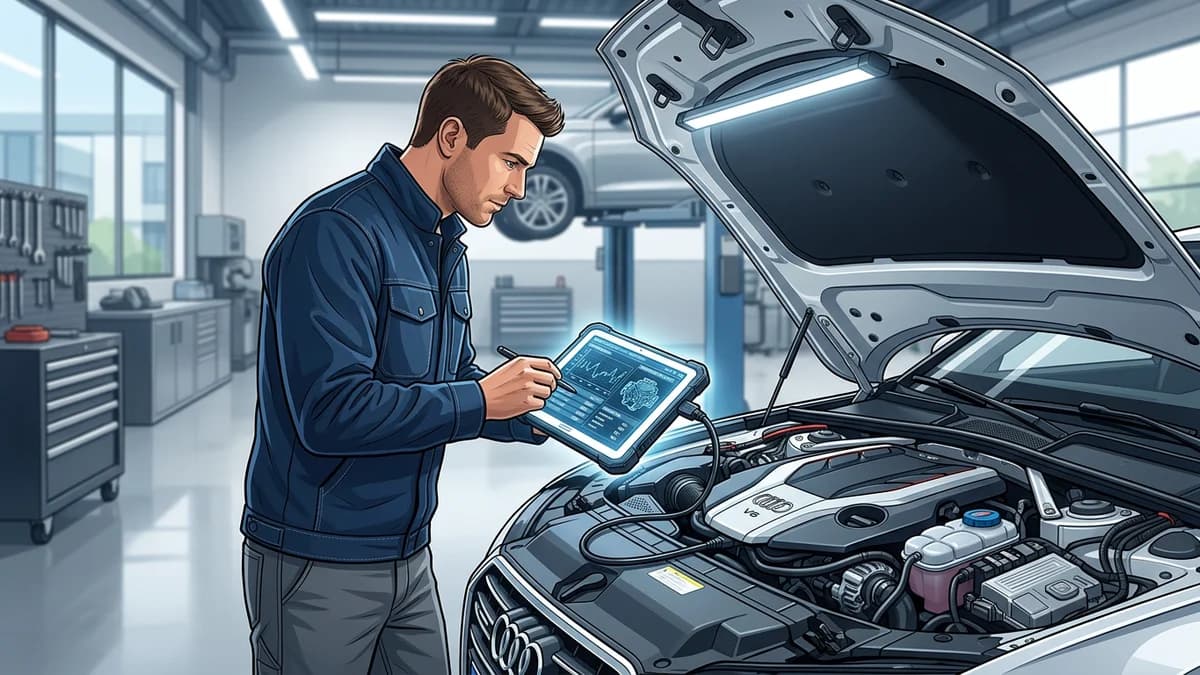
To ensure your vehicle is eligible for a robust VSC, your inspection should go beyond a simple test drive. You need a comprehensive diagnostic report from a certified technician.
- Fluid Analysis: Check for signs of coolant in the oil or transmission fluid, which could indicate failing head gaskets or internal transmission damage.
- Diagnostic Trouble Codes (DTCs): A professional scan can reveal 'pending' codes that haven't triggered a check engine light yet but indicate impending sensor or component failures.
- Suspension and Drivetrain Play: Ensure bushings, ball joints, and CV joints are intact. Wear and tear items are generally excluded from coverage, but severe neglect can lead to broader denials.
- Electronic Integrity: Modern vehicles are complex computers. Verify that all infotainment, safety sensors, and modules are functioning correctly.
Aligning Inspection Results with Contract Tiers
Not all vehicles are candidates for the same level of coverage. If your inspection reveals that a vehicle has high mileage or specific aging components, you may need to adjust your expectations regarding exclusionary vs. stated component coverage.
For example, if the inspection identifies minor oil seepage, you should document this immediately. Some providers will exclude specific components from coverage if they are identified as 'at-risk' during the underwriting process. Knowing these details before you sign ensures you aren't paying for coverage that has been effectively nullified by a pre-existing condition.
How Service History Complements the PPI
An inspection provides a snapshot of the vehicle's current state, but service records provide the context. A vehicle with a clean inspection but no record of oil changes is a high-risk asset. Most VSC administrators require proof of maintenance to validate claims. Before purchasing a contract, gather:
- Oil Change Records: The most critical factor in engine longevity.
- Transmission Service History: Especially vital for vehicles with CVT or high-performance transmissions.
- Cooling System Maintenance: A frequent cause of catastrophic engine failure.
If you are unsure how these records impact your specific vehicle, you can browse by vehicle brand to see common reliability trends and maintenance requirements.
The Financial Impact of a Failed Inspection
If a PPI reveals a significant issue, you have two choices: negotiate the repair cost into the purchase price of the vehicle or decline the purchase altogether. Buying a VSC to 'fix' a car you already own is a common pitfall that leads to frustration and denied claims. By identifying issues upfront, you protect your future investment and ensure that the VSC functions as intended—as a safeguard against future, unforeseen mechanical breakdowns.
Preparing for the Claims Process
If you have already purchased your vehicle and are looking at VSCs, ensure you understand the common questions regarding waiting periods. Most policies include a 30-day or 1,000-mile waiting period. During this window, any failure is often scrutinized heavily for pre-existing conditions. A clean PPI report acts as your best defense, providing documentation that the vehicle was in sound condition when the policy was activated.
For those ready to move forward, remember that transparency is your best tool. Use our resources to compare pricing-bands and ensure you are getting a fair market rate for the coverage you select. Do not let the excitement of a new vehicle purchase overshadow the due diligence required to protect your financial interests.