Right-to-Repair Legislation: Impact on VSC Claim Adjudication
How Right-to-Repair legislation is changing the landscape of VSC claim processing, shop accessibility, and the future of repair cost adjudication.
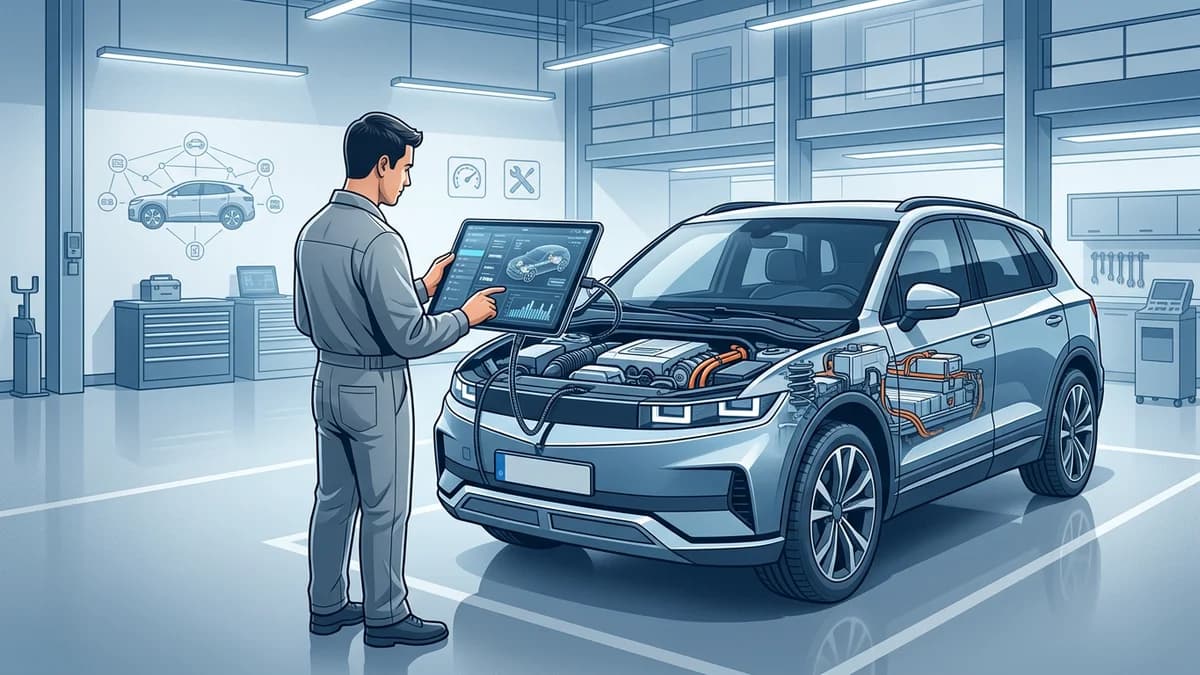
The Shifting Landscape of Vehicle Repair
The automotive aftermarket is currently undergoing a structural transformation driven by the Right-to-Repair movement. As legislation gains momentum, the ability for vehicle owners and independent repair facilities to access proprietary diagnostic tools, software, and repair manuals is expanding. For consumers who rely on Vehicle Service Contracts (VSCs), this legislative shift poses significant questions regarding how claims are adjudicated and how the cost of repairs is calculated.
At OptimalCover, we analyze how these industry shifts impact the actuarial foundations of warranty pricing. Understanding the intersection of legislative mandates and contract law is essential for any vehicle owner navigating the post-warranty landscape.
Understanding Right-to-Repair and VSC Obligations
Historically, many VSC administrators restricted claim coverage to 'authorized' or 'franchised' dealerships. This was often justified by the complexity of modern vehicle systems, which required proprietary diagnostic software often unavailable to independent shops. However, Right-to-Repair legislation is effectively dismantling these barriers.
Under the terms of most exclusionary coverage plans, administrators are obligated to pay for covered repairs regardless of the facility, provided the repair meets specific industry standards. As independent shops gain access to the same digital repair portals as OEM-certified technicians, the justification for limiting coverage to dealerships is weakening.
Implications for Claim Adjudication
Adjudication is the process by which a VSC administrator evaluates a repair request against the contract’s coverage terms. With the wider availability of repair data, we anticipate several shifts in how these claims are handled:
- Standardized Labor Rates: As independent shops gain parity in software access, administrators may shift toward using standardized, regional labor rate databases rather than relying on dealership-specific retail labor rates.
- Diagnostic Transparency: Access to OEM service manuals allows independent technicians to provide more precise diagnostic documentation, which can expedite claim approvals and reduce the back-and-forth between shops and administrators.
- Parts Sourcing Flexibility: Right-to-Repair may encourage the use of high-quality aftermarket or remanufactured parts, provided they meet OEM specifications, potentially lowering the total claim cost for the provider.
For more information on how these factors influence market rates, visit our pricing-bands page.
The Technical Barrier: Software Locks and Telematics
While legislative progress is significant, a new challenge has emerged: vehicle connectivity. Even if a mechanic has the physical tools to repair a part, the vehicle's onboard software may require a digital 'handshake' or 'token' from the manufacturer to calibrate the new component.
This creates a gray area for VSC claim adjudication. If a repair is physically completed but the system cannot be calibrated due to restricted software access, who bears the cost of the administrative time or dealership-only re-programming?
The Role of Digital Service Logs
As outlined in our previous analysis, digital service logs are becoming the primary evidence for claim validity. If you choose to use an independent shop, ensuring that they are compliant with all manufacturer-mandated digital logging requirements is critical. Failure to do so can lead to a denial of service, regardless of the legal right to perform the repair.
Actuarial Outlook: Will Coverage Costs Decrease?
From an actuarial standpoint, increased competition in the repair market should theoretically suppress the average cost of claims, which is a primary driver of VSC premiums. By allowing independent shops to compete for warranty-covered repairs, the 'monopoly' of dealership service departments is challenged.
However, the complexity of modern ADAS (Advanced Driver Assistance Systems) sensors means that repair costs continue to rise despite the opening of the market. Our methodology accounts for these conflicting trends—balancing the lower labor rates of independent shops against the increasing cost of high-tech component replacement.
Best Practices for Consumers
If you are currently holding a VSC or considering a purchase, keep the following in mind regarding the changing repair environment:
- Review Your Contract: Check for language that mandates repair at 'authorized' facilities. While some states have laws that supersede these clauses, understanding your contract's specific limitations is your first line of defense.
- Verify Shop Capabilities: Before authorizing a repair, ensure the independent shop has the necessary diagnostic software to complete the specific repair and any associated calibration or software resets.
- Maintain Documentation: Regardless of where you have your vehicle serviced, keep detailed records. You can browse our recommendations for vehicle-specific maintenance schedules to ensure you remain in compliance with your contract requirements.
Final Considerations
The Right-to-Repair movement is a positive development for consumer sovereignty, but it does not remove the administrative friction inherent in VSC claims. As the industry adapts, we expect to see more transparent claim adjudication processes, provided that repair facilities stay current with the digital documentation requirements set by administrators.
For further insights into common coverage questions, visit our FAQ section. We remain committed to providing data-driven, neutral analysis to help you navigate the complexities of vehicle protection without the influence of sales-driven narratives.