Denied Warranty Claim? Understanding Your Rights and Recourse
A denied warranty claim isn't always the end of the road. Learn the steps to challenge a denial, understand your contract, and protect your rights.
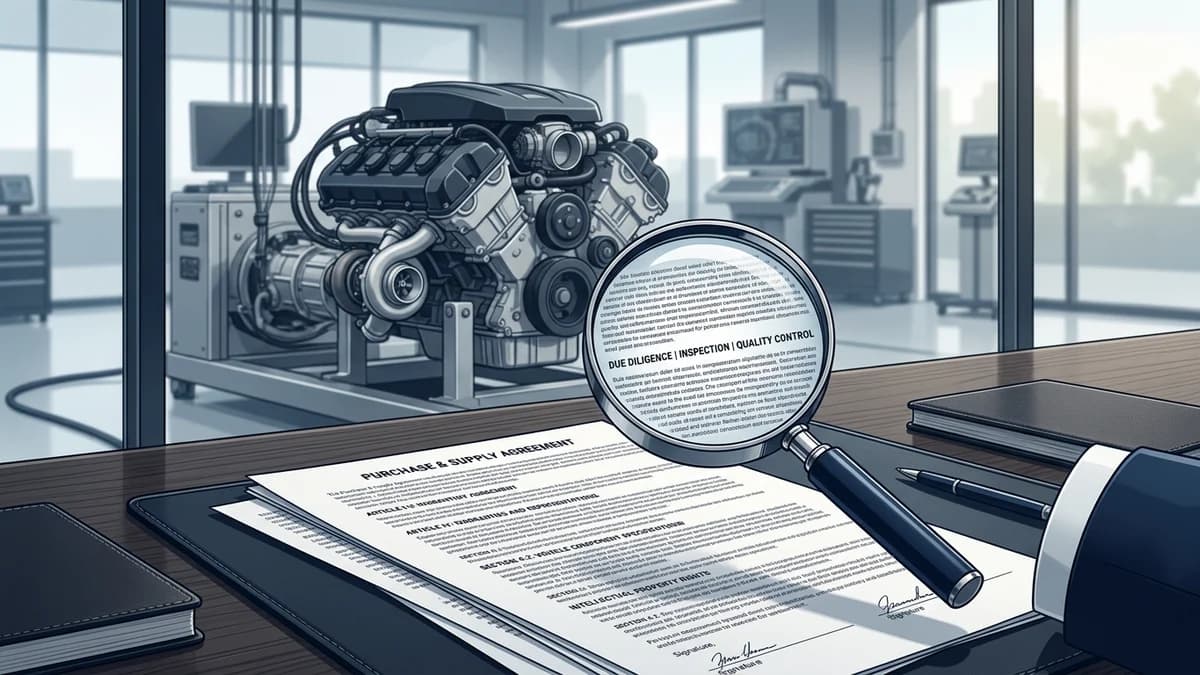
Navigating a Denied Warranty Claim
Receiving a notification that your vehicle service contract (VSC) claim has been denied can be a stressful experience, especially when you are facing a significant repair bill. However, a denial is not necessarily the final word. As a consumer, you have specific rights and a structured path for recourse. Understanding the explainer on how VSC coverage functions is your first line of defense in ensuring your contract is honored correctly.
Why Claims Are Typically Denied
Before challenging a decision, it is essential to understand the common reasons claims are rejected. Most denials stem from contractual limitations rather than malice. Common reasons include:
- Lack of Maintenance Records: Most contracts require proof of regular maintenance. If you cannot provide receipts showing oil changes or other intervals were met, the administrator may deny coverage for related engine or transmission failures.
- Pre-Existing Conditions: If a component was already showing signs of failure before the contract was purchased, it is generally excluded.
- Non-Covered Parts: VSCs often have an "exclusionary" or "stated component" list. If the failed part is not explicitly listed or is specifically excluded in your contract, the claim will be denied.
- Improper Documentation: Failure to follow the required claims process—such as not obtaining prior authorization before starting repairs—is a frequent cause for rejection.
Step 1: Request a Written Explanation
Under consumer protection standards, you are entitled to a clear, written explanation of why your claim was denied. Do not rely on a verbal explanation from a service advisor or an administrator over the phone. Request the specific contract language that justifies the denial. This documentation is vital for your faq research and any subsequent appeals.
Step 2: Review Your Contract and Maintenance Logs
Once you have the written denial, cross-reference it with your contract. Pay close attention to the "Exclusions" section. If the denial cites lack of maintenance, gather your service records. If you have proof that the vehicle was maintained according to the manufacturer's specifications, you have a strong basis for an appeal.
Step 3: The Formal Appeal Process
Most reputable VSC administrators provide a formal appeals process. This is typically outlined in the "Claims Procedure" section of your contract.
- Contact the Claims Department: Speak with a supervisor. Sometimes, a misunderstanding regarding the nature of the repair or the technician’s diagnosis can be resolved with a simple conversation.
- Submit Supporting Evidence: If the denial was based on a technicality, provide additional diagnostic reports, photos of the failed part, or statements from your mechanic that clarify why the failure should be covered.
- Request a Re-Review: Submit a formal letter of appeal to the administrator, referencing your contract number and the specific reasons you believe the claim should be honored.
Step 4: External Recourse
If the internal appeal is unsuccessful, you still have options for external escalation:
- State Department of Insurance: Many VSCs are regulated at the state level. Filing a complaint with your state’s insurance commissioner can trigger an investigation into the administrator’s practices.
- Better Business Bureau (BBB): While not a legal authority, filing a complaint with the BBB can prompt a response from the company’s corporate office.
- Consumer Protection Agencies: Your state Attorney General’s office often maintains a consumer protection division that handles disputes involving service contracts.
Preventative Measures: Know Your Coverage
To avoid future denials, transparency is key. Before purchasing, always review the pricing-bands and coverage tiers. Understanding the nuances of your specific plan—and the methodology used to determine what is covered—can help you manage expectations. If you are currently shopping for a contract, take the time to browse different providers and read the sample contracts thoroughly.
Remember, a VSC is a legal contract. If you have fulfilled your obligations as the vehicle owner, the administrator is legally bound to fulfill theirs. Keep detailed records of all communications, names of representatives, and dates of correspondence. Documentation is the most powerful tool you have when asserting your consumer rights.