Are Subscription-Based Vehicle Features Covered? VSC Exclusions
As subscription-based vehicle features become common, VSC holders must understand how software-defined failures often fall outside traditional coverage.
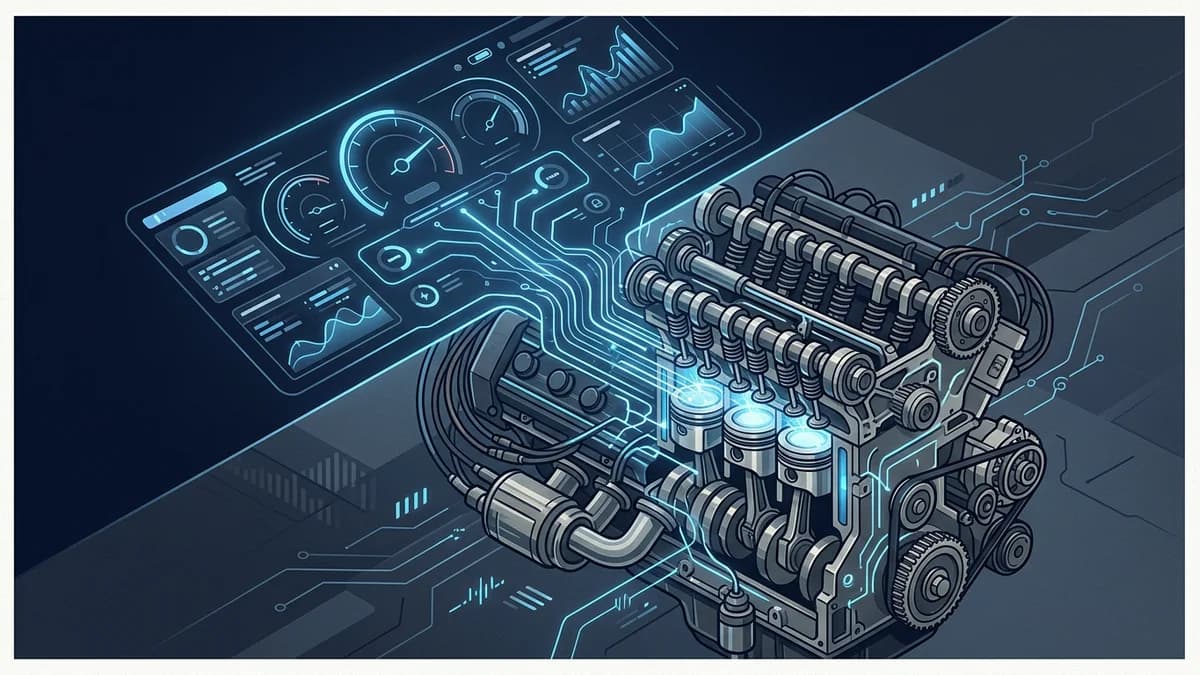
The Shift Toward Software-Defined Vehicles
Modern automotive engineering has transitioned from mechanical hardware to software-defined architectures. As manufacturers increasingly adopt 'Features-on-Demand' (FoD) models—where consumers pay recurring subscription fees to unlock heated seats, performance boosts, or advanced driver-assistance systems (ADAS)—a critical question arises for vehicle owners: Does a Vehicle Service Contract (VSC) cover these digital features?
Historically, VSCs were designed to cover the repair or replacement of physical, mechanical, and electrical components. The rise of subscription-based features creates a new frontier of exclusions that consumers must navigate carefully. When a feature is enabled via software, its failure might not be a hardware breakdown, but a digital handshake failure, a server-side error, or a subscription management glitch—none of which traditionally fall under the scope of a mechanical breakdown policy.
The Anatomy of a Digital Exclusion
To understand why subscription features often remain outside the scope of VSC coverage, one must look at how administrators define a 'covered component.' Most contracts utilize an exclusionary coverage model, which lists specific items that are not covered.
Traditionally, these exclusions focused on wear-and-tear items like brake pads, tires, and wiper blades. Today, administrators are quietly updating their contracts to include 'Software, Firmware, and Subscription-Enabled Services' as standard exclusions. This means that if you are paying a monthly fee to access a feature that your vehicle's hardware is physically capable of performing, the VSC provider will likely argue that the failure is related to the software activation, not the hardware itself.
Why Software Isn't Hardware
For an actuarial methodology to work, the risk of failure must be quantifiable based on mechanical reliability data. Software, however, behaves differently. A feature might fail because:
- Server Connectivity Issues: The vehicle cannot communicate with the manufacturer’s cloud.
- Subscription Expiration: The billing system has lapsed, causing the feature to disable.
- Over-the-Air (OTA) Update Errors: A botched software patch renders a module unresponsive.
Because these failures are not 'mechanical breakdowns' as defined by the industry, they are almost universally excluded. If you find yourself unable to use a feature you pay for monthly, your recourse is typically with the manufacturer's customer support, not your VSC administrator.
Navigating Contract Language
When reviewing a quote, it is essential to scrutinize the definitions section. As we discuss in our faq section, the distinction between a 'component' and a 'system' is vital.
- Hardware vs. Software: If the heated seat element burns out, that is a mechanical failure. If the heated seat button on the infotainment screen is 'locked' because your subscription expired or the OTA update failed, that is a software issue.
- The 'Pre-existing' Clause: If a feature requires a subscription to function, some providers may classify the lack of an active subscription as a 'pre-existing condition' or 'non-mechanical limitation,' effectively voiding any claim related to that feature.
Before finalizing any agreement, ensure you understand if your plan covers the electronic control units (ECUs) that manage these features. While the ECU itself may be covered, the software layer running on top of it is rarely protected.
Assessing the Risk to Your Ownership Experience
As you browse available plans, consider how much of your vehicle’s utility is tied to subscription services. If you drive a vehicle where essential comfort or performance features are gated behind a paywall, you are effectively assuming a new type of financial risk that a VSC cannot mitigate.
Questions to Ask a Provider:
- Does this contract include a specific exclusion for software, firmware, or OTA-enabled features?
- Are infotainment modules covered if the failure is identified as a 'software glitch' rather than a hardware short?
- Is there a distinction in the contract between a physical component failure and a failure of a 'digitally-enabled' feature?
The Future of Coverage
As the industry matures, we expect to see a bifurcation in the market. Some high-end VSCs may begin to offer 'Digital Coverage' riders, though these will likely come with significantly higher premiums due to the unpredictable nature of software reliability. For now, the safest approach for consumers is to differentiate between the physical car and the digital ecosystem it operates within.
For more information on how to compare different tiers of coverage and identify potential gaps in your policy, visit our pricing-bands page. Understanding the limitations of your contract today can save you from significant frustration when a 'digital failure' occurs tomorrow.