Supply Chain Shifts and the Cost of Electronic Control Units (ECUs)
Electronic Control Units (ECUs) are central to modern vehicle reliability. We examine how global supply chain shifts impact these costs and your VSC premiums.
The Modern Vehicle's Digital Architecture
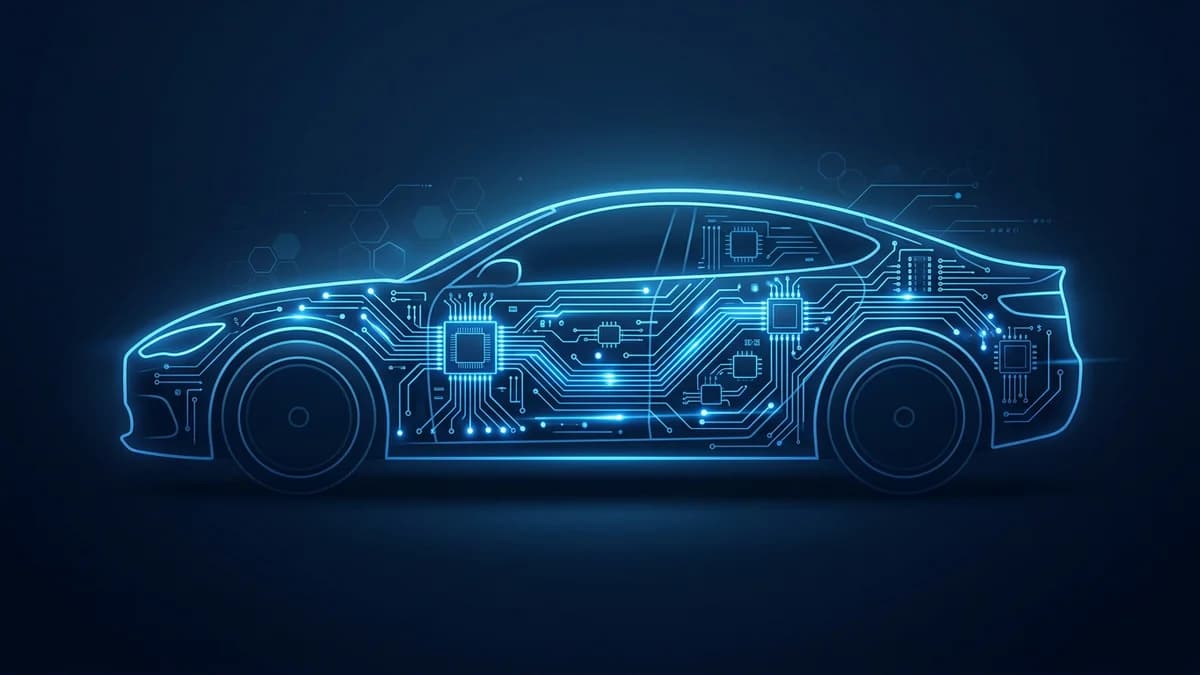
Modern vehicles are no longer mere mechanical assemblies; they are sophisticated mobile computing platforms. At the heart of this complexity lies the Electronic Control Unit (ECU). From engine management and transmission shifting to advanced driver-assistance systems (ADAS) and infotainment, ECUs govern nearly every critical function of the modern automobile.
As these components have become more integrated, their failure rates and replacement costs have become primary drivers of actuarial risk in the Vehicle Service Contract (VSC) industry. Understanding how global supply chain shifts influence the cost of these components is essential for any consumer evaluating the necessity of extended coverage. For a deeper look at how these technical risks are quantified, visit our methodology page.
The Anatomy of ECU Supply Chain Volatility
Unlike traditional mechanical parts—such as water pumps or alternators—which often have standardized manufacturing processes, ECUs rely on a highly specialized global semiconductor supply chain. This ecosystem is characterized by:
- High Concentration: A small number of global foundries produce the vast majority of automotive-grade microchips.
- Just-in-Time Constraints: Automotive manufacturers operate on lean inventory models, leaving little buffer for systemic supply shocks.
- Technological Obsolescence: As vehicle electronics evolve, older ECU hardware may reach "end-of-life" status, forcing manufacturers to commission small-batch production runs, which significantly inflates per-unit costs.
When these supply chains experience bottlenecks—whether due to regional instability, raw material scarcity, or logistics disruptions—the cost of replacement parts does not merely fluctuate; it often spikes. These price surges are eventually reflected in the pricing-bands that administrators use to set VSC premiums.
Why ECU Replacement Costs Impact VSC Premiums
When a consumer purchases a VSC, they are essentially transferring the risk of component failure to a provider. Actuaries calculate the 'expected loss' for a vehicle by multiplying the probability of a failure by the cost of the repair.
The 'Component Complexity' Multiplier
As vehicles age, the probability of an electronic failure increases. However, the severity of that failure—the cost to replace the ECU—has risen disproportionately in recent years. If an ECU costs $2,500 to replace today compared to $800 a decade ago, the risk pool must adjust accordingly. This is a critical factor when researching browse options for specific vehicle brands, as some manufacturers rely more heavily on proprietary electronic architectures than others.
The Labor-Part Nexus
It is important to distinguish between parts costs and labor costs. While global supply chain shifts primarily affect the MSRP of the ECU itself, the labor required to diagnose and program these units has also increased. Modern ECUs often require specialized diagnostic software and a stable internet connection to the OEM’s servers to perform "handshaking" or "flashing" protocols. If a part is on backorder, the vehicle may occupy a service bay for weeks, occasionally resulting in additional administrative costs for the warranty provider, such as rental car reimbursements.
Navigating the Risk: Consumer Considerations
For consumers, the volatility of electronic component pricing underscores the importance of reading the fine print in a VSC. Not all contracts treat electronic failures equally. As discussed in our explainer, some plans utilize "stated component" coverage, while others offer "exclusionary" coverage.
- Exclusionary Coverage: Generally provides broader protection for electronic modules unless specifically listed as an exclusion.
- Stated Component Coverage: May leave the owner vulnerable if a specific, high-cost ECU is not explicitly named in the contract.
Furthermore, consumers should be wary of contracts that do not account for current diagnostic and programming labor rates. If a VSC limits labor reimbursement to rates that were relevant five years ago, the consumer may be left with significant out-of-pocket expenses when a complex ECU failure occurs.
Long-Term Trends and Actuarial Outlook
Looking toward the future, the integration of over-the-air (OTA) updates may mitigate some risks by allowing for remote software patches. However, if the hardware itself fails, the physical replacement remains unavoidable.
As we monitor the faq section of our industry reports, we observe that consumers are increasingly concerned about the "hidden" costs of technology-heavy vehicles. The actuarial reality is that as long as automotive manufacturers continue to prioritize performance and connectivity through proprietary electronics, the supply chain will remain a critical variable in the cost of long-term vehicle ownership.
By understanding the link between global logistics and the cost of the components inside your dashboard, you can make more informed decisions about the level of financial protection that suits your specific vehicle and driving habits. Always ensure that any VSC you consider is backed by a stable, admitted carrier that can withstand these market fluctuations.