What Does Bumper-to-Bumper Coverage Actually Cover?
Learn the difference between marketing terminology and the reality of exclusionary coverage in vehicle service contracts.
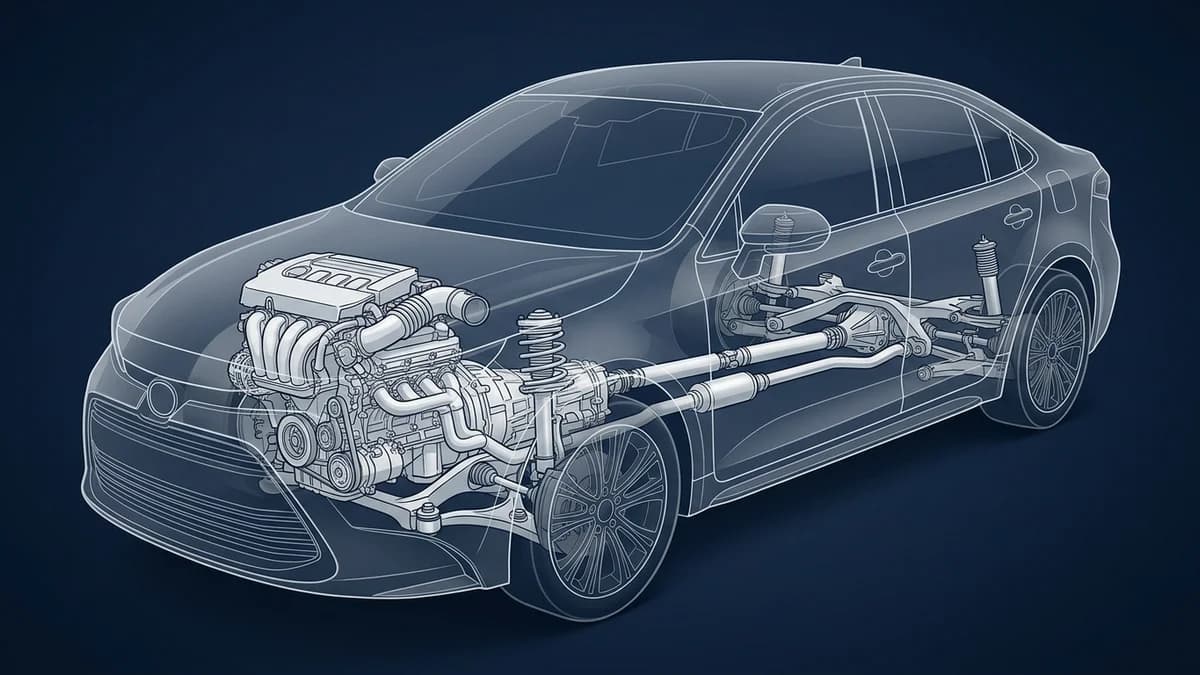
Demystifying Bumper-to-Bumper Coverage
When consumers research Vehicle Service Contracts (VSCs), the term "bumper-to-bumper" is frequently used, often creating a misconception that every single component of a vehicle is protected from the moment the contract is signed. In reality, the term is a colloquialism rather than a formal legal definition. Understanding exactly what this coverage entails is essential for making an informed financial decision regarding your vehicle's long-term protection.
At OptimalCover, we advocate for a data-driven approach to understanding coverage. By evaluating pricing bands and utilizing our methodology, consumers can distinguish between marketing terminology and the actual scope of protection provided by a contract.
The Reality of "Exclusionary" Coverage
In the industry, what is commonly referred to as "bumper-to-bumper" is technically known as Exclusionary Coverage. Unlike "Stated Component" plans, which list specific parts that are covered, exclusionary plans list only the items that are not covered.
If a part is not explicitly listed in the exclusions section of your contract, it is generally considered covered. This structure provides the highest level of protection available for a vehicle, but it is not absolute. To better understand how these contracts differ from manufacturer warranties, visit our browse section to see how specific brands are treated.
Common Exclusions in "Bumper-to-Bumper" Plans
Even the most comprehensive exclusionary plans do not cover everything. Consumers should be aware of standard exclusions that remain consistent across most high-tier VSCs:
- Wear-and-Tear Items: Components designed to degrade over time, such as brake pads, rotors, tires, wiper blades, and light bulbs, are almost never covered.
- Maintenance: Routine service items like oil changes, fluid flushes, and filter replacements remain the owner's responsibility.
- Cosmetic Damage: Upholstery, carpet, exterior trim, body panels, and glass are typically excluded from mechanical breakdown coverage.
- Environmental Damage: Issues arising from collisions, theft, vandalism, fire, or acts of nature fall under your primary automobile insurance policy, not your VSC.
- Aftermarket Modifications: Performance parts or non-factory accessories that alter the vehicle's original engineering can void coverage for related systems.
Why Terminology Matters
Using the term "bumper-to-bumper" can lead to unrealistic expectations regarding claim approvals. A contract may cover the engine and transmission, but if a failure is caused by an excluded item—such as an aftermarket air intake system—the claim may be denied. For a deeper look at your rights when a claim is contested, refer to our faq section.
The Importance of the Declarations Page
Regardless of the marketing language, the only document that matters is your specific contract. When reviewing your agreement, focus on:
- The Definitions Section: This clarifies exactly what the provider considers a "mechanical breakdown."
- The Exclusions Section: This is the most critical part of an exclusionary contract. If it isn't listed here, it is covered.
- The Limits of Liability: Understand if there is a maximum payout per claim or a total aggregate limit for the life of the contract.
Assessing the Value of Comprehensive Coverage
Not every vehicle requires the highest level of exclusionary coverage. As vehicles age, the likelihood of complex electronic failure increases, which is why exclusionary plans are often recommended for luxury vehicles or those with high-end infotainment systems. However, for older, simpler vehicles, a stated-component plan may offer a better value-to-cost ratio.
We encourage consumers to evaluate their own risk tolerance. If you are concerned about the cost of potential repairs, compare your findings against our pricing bands to ensure you are not paying a premium for coverage that exceeds your vehicle's actual repair risks.
Summary of Coverage Expectations
When shopping for a VSC, keep these three principles in mind:
- Transparency is key: Never rely on a sales representative's verbal description of "bumper-to-bumper" coverage. Always read the written contract.
- Check the exclusions: Focus your attention on the list of items the provider explicitly does not cover.
- Maintenance is mandatory: Even with the best coverage, a failure to follow the manufacturer's recommended maintenance schedule can lead to a denied claim.
For more detailed information on how to navigate these contracts and verify the fairness of your quotes, review our comprehensive explainer on how VSCs function. Knowledge remains the most effective tool for any consumer navigating the complex landscape of vehicle protection.